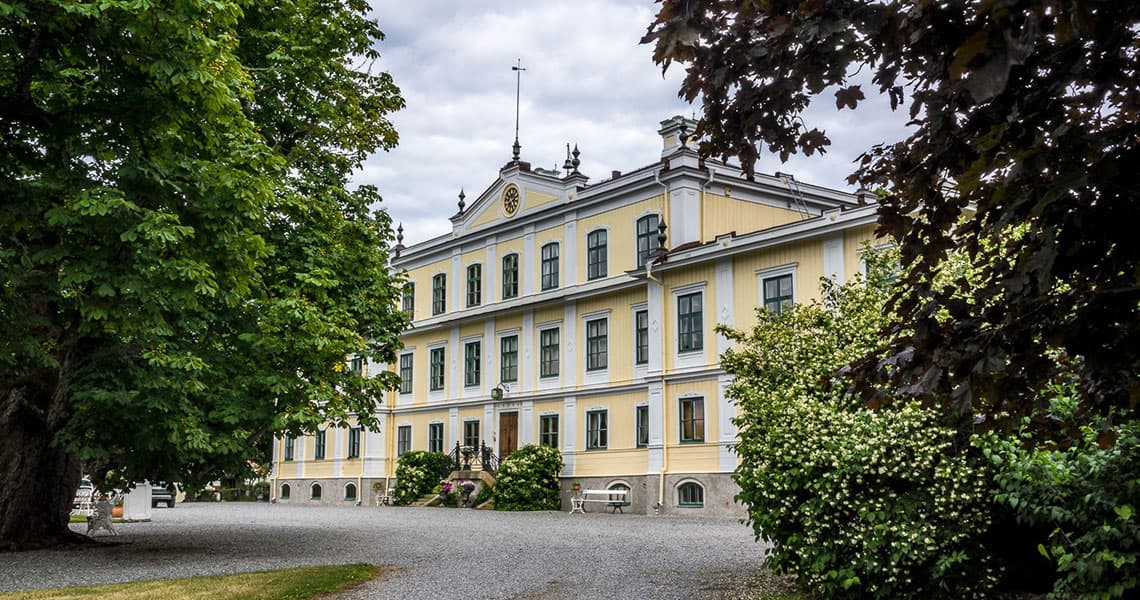
Dylta Works
Dylta Bruk
Dyltabruk, Närke, Sweden
Haunting level
Sweden's first sulphur works (1583) north of Örebro — mines, manor, cemetery and the healing-spring lore of Kung Jans Källa.
Verification
Community submitted
Added by a user. Not yet independently verified.
0
Evidence
0
Reports
1
Photos
0
Videos
Investigation Sources
Track which teams have investigated this location. Haunted Sweden builds verified visits over time.
[Spökjakt]
TV Investigation
Not investigated yet
[LaxTon]
YouTube Investigation
Not investigated yet
[Haunted Sweden]
Team verification
Not investigated yet
History
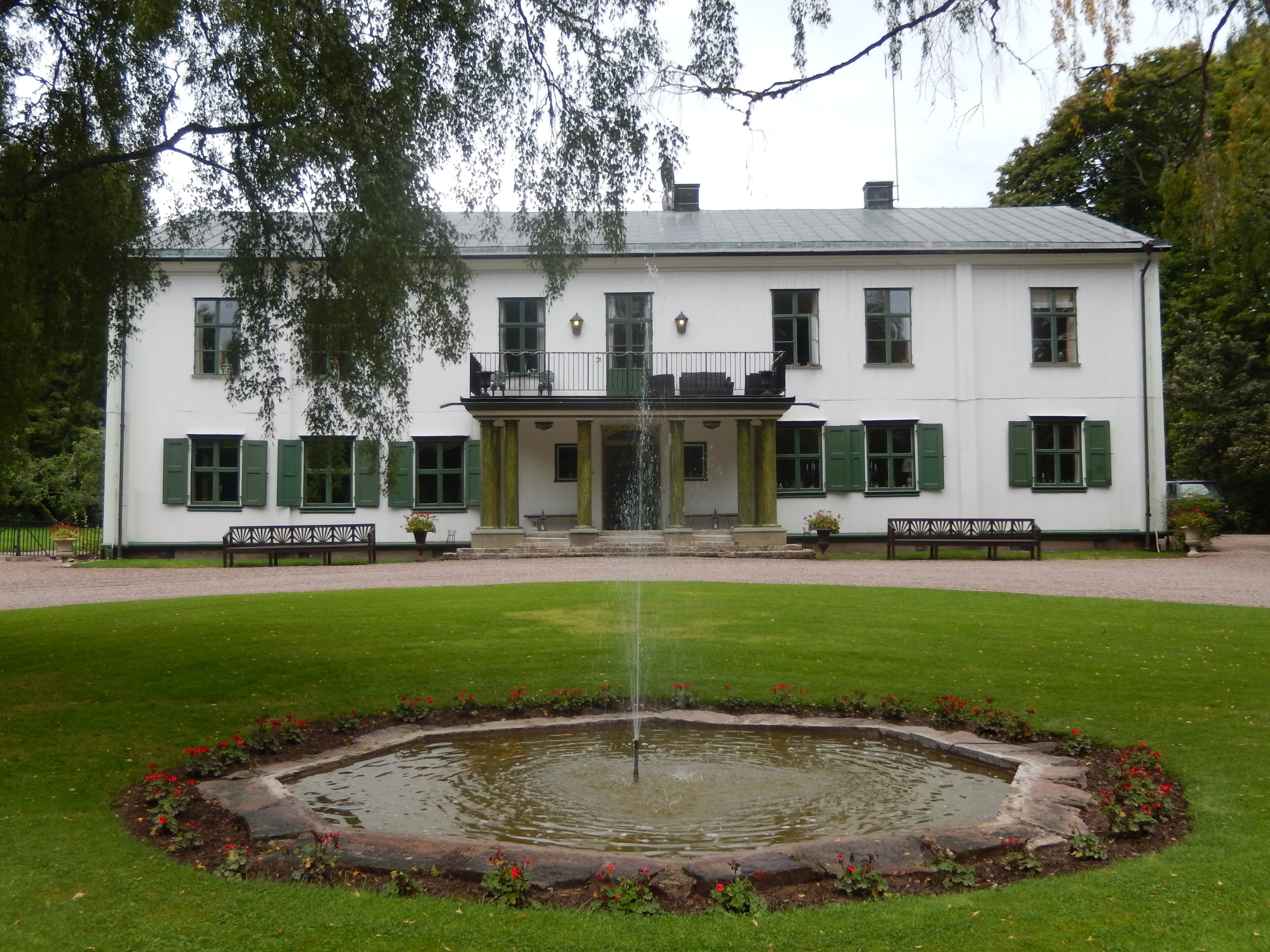
DOCUMENTED: Dylta Bruk (718 97 Dyltabruk, Axbergs socken, Örebro municipality, Närke) began after sulphur ore (svavelkis) was found southeast of Dylta village in the late 1570s within Duke Charles's duchy. The duke ordered a sulphur works; construction 1580–1582, production from 1583 — long Sweden's only sulphur mill and a key source for gunpowder sulphur, later export surplus. Vitriol, alum (Bastian Heisler from Germany, 1586) and red-paint burning (from 1586; continued until c. 1941–1942) made Dylta one of Sweden's earliest chemical industries. Crown, then leaseholders from Hans Leffler (1631); Henrik Barckhusen received privileges from Queen Christina (1649), including the right of the royal family to lodge at Dylta during epidemics because sulphur smoke was believed to keep contagion away — a documented privilege distinct from the Johan III spring legend. Later Casten Feif, then the Åkerhielm family for ~275 years from 1739; from 2014 related Roos ownership. The estate formed its own bruk parish/chapel congregation for periods (own preacher from early eras; parish roughly 1688–1818); church later demolished — clock tower (klockstapel, 1714) and cemetery (from 1712, still in use) remain. Manor (corps de logi) mainly 1700s, remodelled mid-1800s; 'Klostret' likely a 1500s storehouse, now museum. Mining and industrial traces survive as an industrimuseum within a riksintresse cultural environment; modern estate focuses on forestry, aquaculture, hunting and property. DARK HISTORY (documented context): centuries of dangerous underground mining, sulphur fumes, hard labour, industrial accidents, and workers who lived their lives at the isolated mill community — plus the historic cemetery of the bruk congregation — without inventing hauntings from these facts.
Legends
FOLKLORE — KUNG JANS KÄLLA (not verified as royal or medicinal fact): Local tradition says King Johan III (and sometimes Katarina Jagellonica) fled plague to Dylta around 1576 and visited a spring later called Kung Jans Källa. The spring became a Trefaldighetskälla — people gathered on Trinity Eve believing the water had healing powers. Site heritage texts note the tale's timing problem: the sulphur works did not exist until the early 1580s, so the 1576 'escape to the mill' story is legend, even if plague-refuge privileges appear later in 1649 documents for different reasons (sulphur smoke). WITNESS REPORTS & ATMOSPHERE (unverified): feeling watched near abandoned industrial buildings; unusual silence around old mines; strange sounds at the former sulphur works; heavy atmosphere in preserved buildings; local lore of former workers; cemetery and industrial landscape stories. SPECIAL AREAS: former sulphur works; old mine area (dangerous — do not enter workings); historic manor (private residence); cemetery; Kung Jans Källa. ATMOSPHERE: manor, mine mouths, industrial buildings, forest, quiet countryside, clock tower, fog on mill grounds. INVESTIGATION IDEAS: map industrial timeline vs spring folklore; safe exterior night walk; EVP near buildings not inside mines; photograph cemetery and tower with respect. BEST CONDITIONS: autumn evenings, heavy fog, rain, winter darkness, early morning mist. Keep DOCUMENTED industry separate from FOLKLORE above.
Haunted Sweden Investigation
Status: Investigation planned — not yet completed
This location is on the Haunted Sweden investigation shortlist. We separate documented history from folklore and visitor reports until a team visit can confirm access, atmosphere, and any claimed evidence.
- Documented history and primary sources
- Local folklore vs. unverified claims
- Visitor access, safety and night-visit notes
- Photos, audio and community reports (when available)
Been here? Help the investigation — submit a tip or report
Paranormal reports
No approved reports yet. Share your experience.
Photos
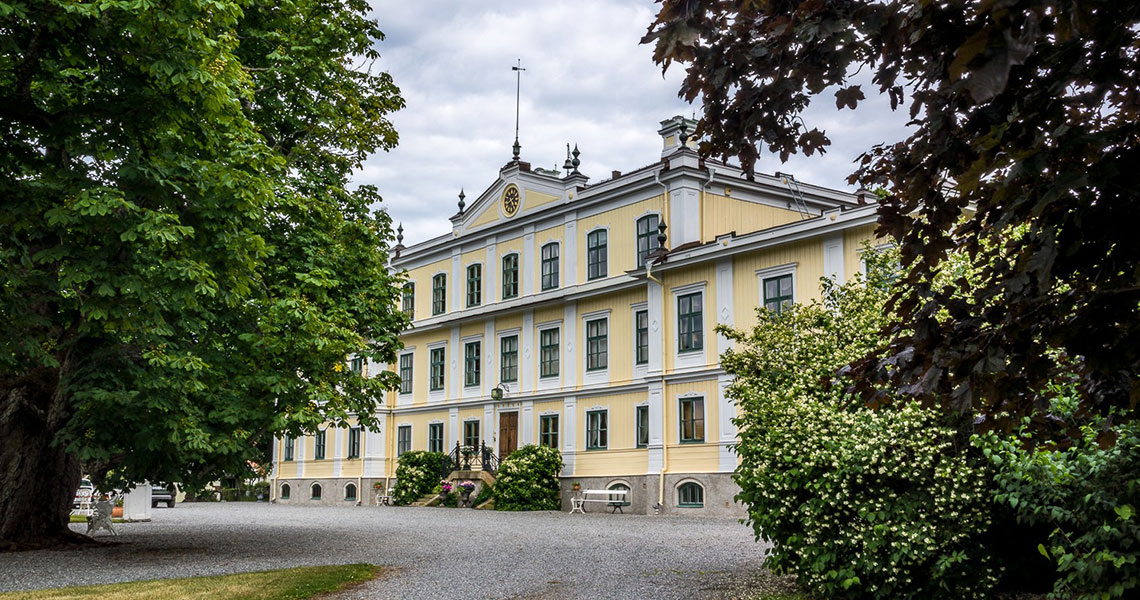
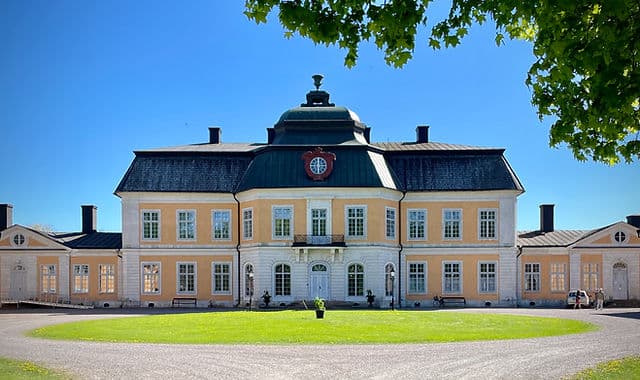
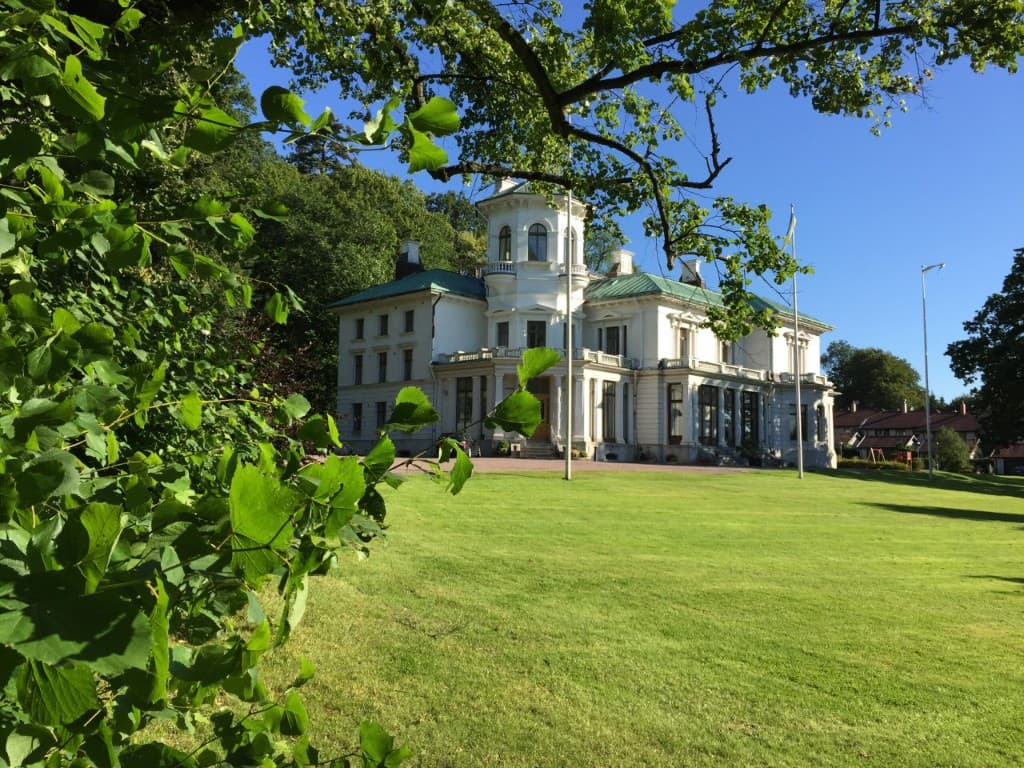
Dylta Works, Dyltabruk
Added by: dyltabruk.se
Videos
No videos yet. Be the first to contribute.
Location
- City
- Dyltabruk
- Region
- Närke
- Country
- Sweden
- Address
- 718 97 Dyltabruk, Örebro County, Sweden
- Coordinates
- 59.3870°, 15.2630°
Access
Guided visits
Family friendly
Family friendly
Visit difficulty
★★☆☆☆
Night access
Not recommended
Parking
Available
Guided tours
Available
Public access
Yes
Safety
Active private estate and cultural heritage site — follow official visitor information (dyltabruk.se). Do not enter mine openings, shafts or unstable industrial structures. Respect the private manor, cemetery etiquette and closed buildings. Stay on permitted paths; no trespassing after hours. Night investigation only in publicly accessible outdoor areas with permission.
Nearby haunted locations
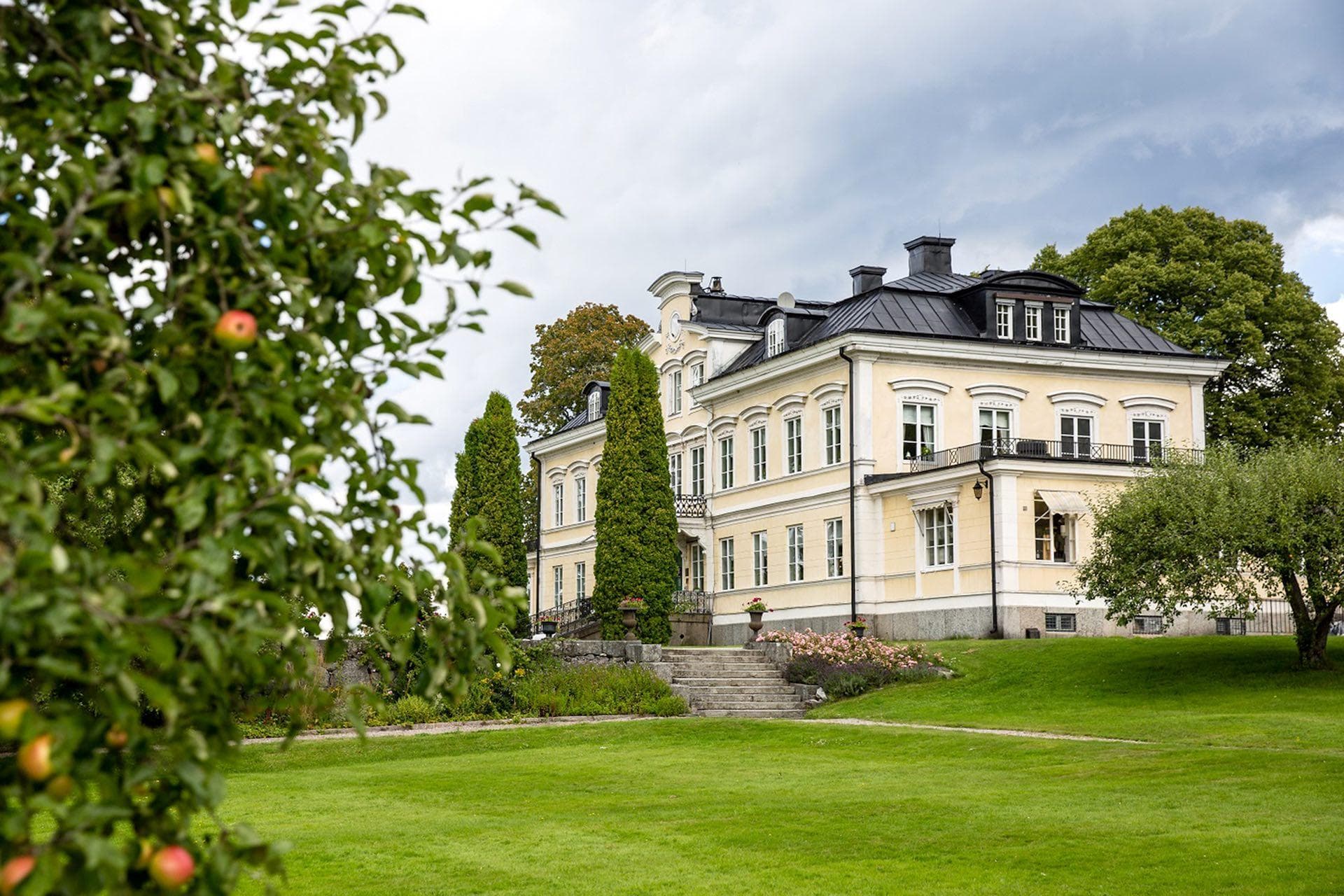
Färna Manor
Skinnskatteberg, Västmanland
Manor / Estate · ★★★★
Approximately 60.1 km apart
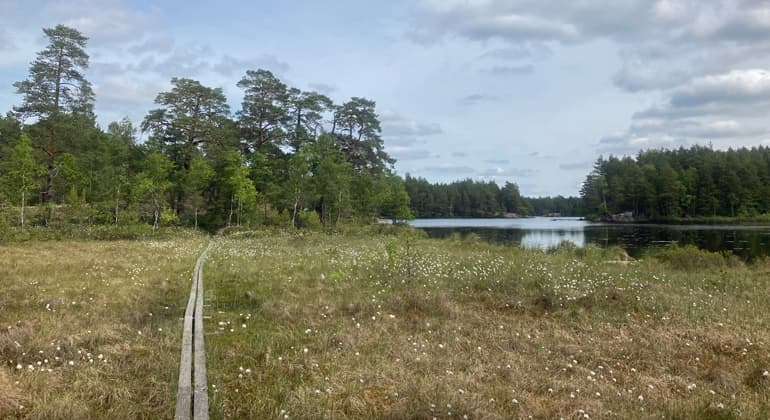
Trollkäringeskogen (Witch Forest Nature Reserve)
Finspång, Östergötland
Forest / Nature Site · ★★★★★
Approximately 74.9 km apart
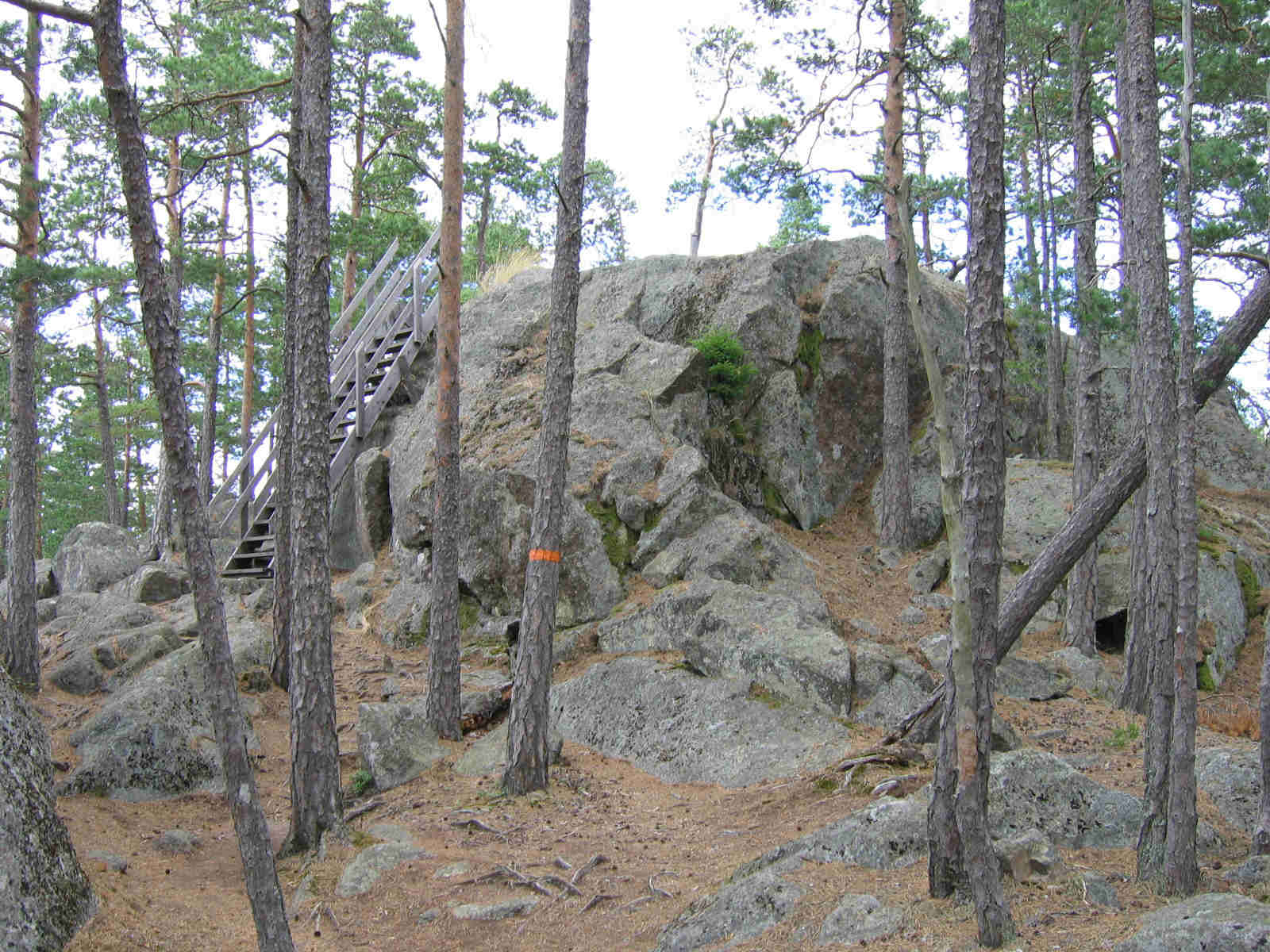
Trollkyrka – Troll’s Church (Tiveden National Park)
Tived, Örebro
Legend Site · ★★★★
Approximately 75.0 km apart
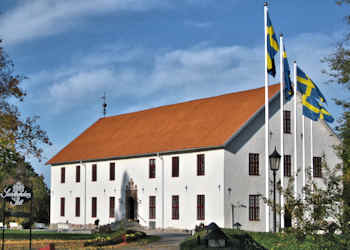
Sundbyholm Castle
Eskilstuna, Södermanland
Castle / Castle Ruin · ★★★★★
Approximately 77.8 km apart
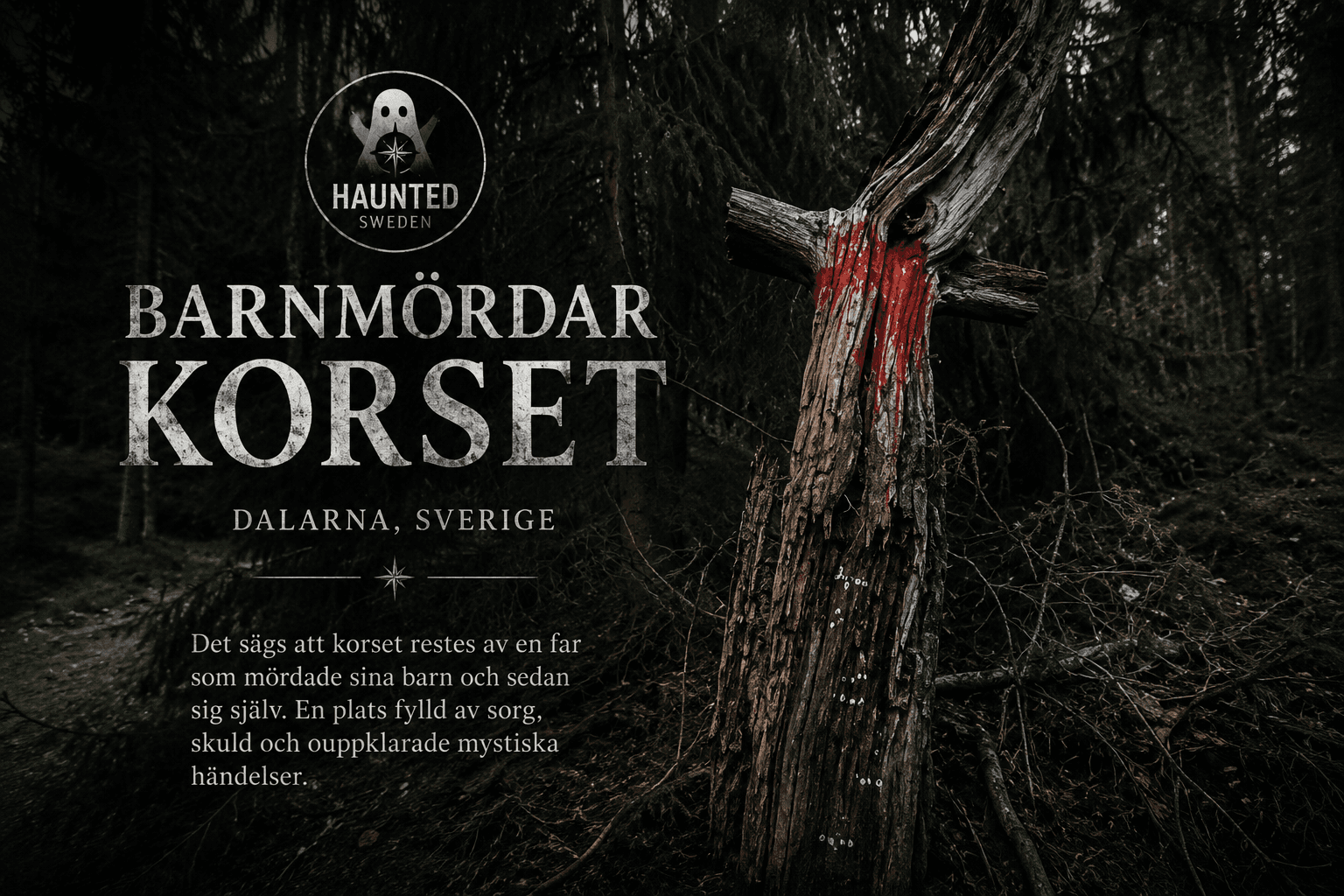
The Child Murder Cross
Hova, Västra Götaland
Legend Site · ★★★★
Approximately 80.0 km apart
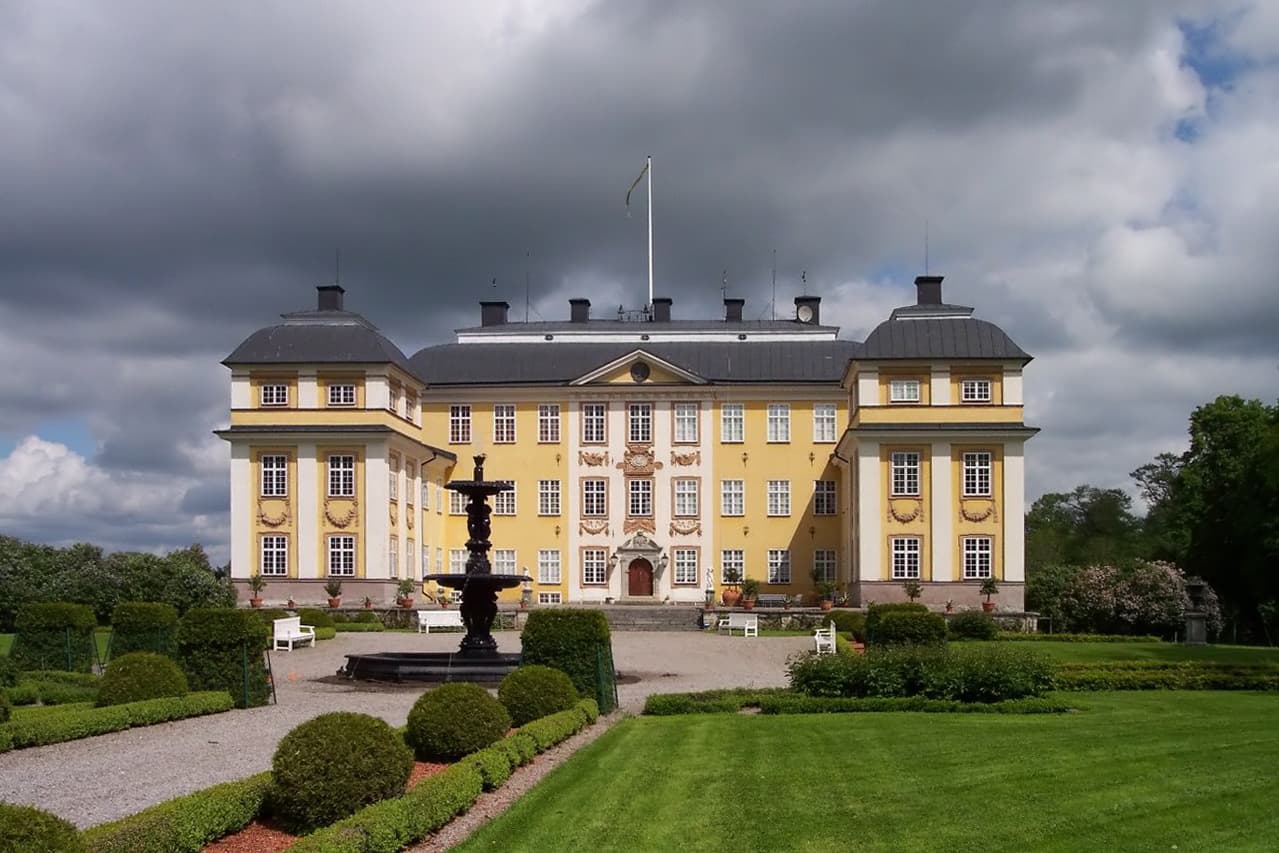
Ericsberg Castle
Katrineholm, Södermanland
Castle / Castle Ruin · ★★★★★
Approximately 81.2 km apart