Landskrona Citadel (Citadellet)
Landskrona Citadell
Landskrona, Skåne, Sweden
Haunting level
16th-century Danish fortress and centuries-long prison in Landskrona — moats, prison tower, Cell No. 5 where Hilda Nilsson died in 1917, and Sweden’s strongest official ghost-story link via SFV’s Spökelser.
Quick facts
- Built
- 1549–1559 (Christian III)
- Prison era
- From early 1700s · life prison 1827 · closed 1940
- Hilda Nilsson
- Sentenced 13 Jun 1917 · suicide 10 Aug 1917 · Cell 5
- SFV Spökelser
- Cell nr 5 episode · première Sep 2025
- Interior access
- Guided / authorised only (SFV)
- Grounds
- Citadel area open · building closed
- Haunted Sweden
- Score 9.8 · Premium EXTREMELY HIGH
Verification
Community verified
Supported by multiple reports, photos or confirmations from different visitors.
0
Evidence
0
Reports
1
Photos
0
Videos
Investigation Sources
Track which teams have investigated this location. Haunted Sweden builds verified visits over time.
[Spökjakt]
TV Investigation
Not investigated yet
[LaxTon]
YouTube Investigation
Not investigated yet
[Haunted Sweden]
Team verification
Not investigated yet
History
DOCUMENTED: Christian III and the Danish fortress (1549–1559)
Statens fastighetsverk (SFV), Riksantikvarieämbetet / BeBR and Landskrona museum sources describe **Landskrona citadell** (Citadellet / Landskrona slott) as a strategic Öresund fortress ordered by **Danish King Christian III** from **1549**, completed about **1559**. The inner core was square (~90×90 m in later descriptions), with corner towers and a moat system eventually reaching roughly **70 m** width in the Danish phase. The main façade toward the sound was heavily armed; other sides used curtain walls and corner towers. Control of Sound trade motivated the build.
DOCUMENTED: Swedish Skåne, bastions and Gråen
After **Freden i Roskilde (1658)** Skåne became Swedish. **1667–1675** the citadel was rebuilt into what SFV calls **Nordens modernaste fästning** — outer Dutch-style **bastions**, earthworks and wet moats. **1677**: Swedish commandant **Hieronymus Lindeberg** surrendered the citadel to Christian V; Lindeberg was later executed for treason — documented military-political history, not folklore.
On the shoal **Gråen** in Öresund, **Adolfsfäste** was begun **1748** under Fredrik I’s national fortification programme; work dragged for decades and was never finished, though a **kruttorn** remains. SFV and Wikipedia note the incomplete star-fort on Gråen as part of the wider defensive story.
DOCUMENTED: Prison fortress (1700s–1940)
From the **early 1700s** convicts were held on the citadel. After it ceased as a **land fortress (1822)**, it functioned **solely as a prison until 1940**. **1827**: designated prison for **life-sentenced** prisoners. **1860s**: major rebuild — new prison wing; the **eastern round tower** converted to **cell prison**; new commandant’s house and prison director’s residence. **1886 fire** damaged the main building; upper storeys were merged. Swedish Wikipedia and SFV list preserved features: **prison cells in the prison tower**, an **isolation cell** on the lower floor, and a **16th-century dungeon** in the old western tower (prisoners reportedly thrown through a hatch into darkness — architectural/historical description in English Wikipedia / BeBR tradition).
DOCUMENTED: Women’s forced-labour institution (1900s)
Under the **1900s** the prison became a **tvångsarbetsanstalt for women** classified as **lösdrivare** (vagrants under the 1885 act) and, from **1902**, also tied to moral-regulation of **reglementerad prostitution** — a documented gendered control system. **1909–1917** a **special pavilion** held **female life-sentence prisoners**; this is the phase when **Hilda Nilsson** was placed in **Cell No. 5**. Historian **Johan Edman** (cited in Folket i Bild/Kulturfront research) gives declining vagrant-workhouse intake statistics (e.g. **1886: 1,444**; **1925: 607**). The institution closed **1940** when the military reoccupied the site.
DOCUMENTED: Military reuse, refugees, restoration
**1940+**: military use; forts on Gråen. After WWII the citadel served as a **refugee reception centre** — including survivors brought on the **“White Buses”** (English Wikipedia). Long decay followed until **1971–1975** restoration under architect **Sven Silow**. **Statligt byggnadsminne (1935)**; owner **Statens fastighetsverk**. Today: events, exhibitions (e.g. Flykten 1943 in Kommendanthuset), **Citadellkolonierna** (from **1904**, among Sweden’s oldest allotment gardens), café and artists — while the **main fortress building is not generally open** without appropriate access (SFV).
DOCUMENTED dark history (no sensationalising)
Centuries of **imprisonment**, **isolation**, **forced labour**, **life sentences**, **harsh conditions** and **deaths in custody** are structurally documented through prison-era sources and institutional history. Do not invent execution totals or unnamed epidemics. Individual capital cases (including Hilda Nilsson) belong in documented criminal history — see legend section for her case and for paranormal layers.
Legends
HISTORICAL FACT — Hilda Nilsson (not a “ghost story”)
**Hilda Nilsson** (born Lagerstedt **24 May 1876**, Tirup; died **10 August 1917**, Landskrona) — **“Änglamakerskan på Bruksgatan”** — is one of Sweden’s most documented female serial offenders. **Helsingborgs stadslexikon**, **Svenskt biografiskt material via Wikipedia**, **Helsingborgs Dagblad** trial coverage (**2–14 June 1917**), and academic work (**Cecilia Riving**, *Scandia* 2003; **Birgitta Nestler Witting**, *Kring Kärnan* 1995) underpin the following:
- She took **foster children** for payment and murdered infants — **eight convictions** at trial (police investigation suggested more; popular accounts sometimes cite up to **seventeen** — treat higher totals as investigative suspicion, not court verdict). - Trial at **Helsingborgs rådhusrätt** opened **2 June 1917** (with psychiatric examination); **13 June 1917** she was **sentenced to death** (guillotine in period practice). - Held at the **kvinnliga tvångsinrättningen (Citadellet), Landskrona** awaiting execution transport. - **Cell No. 5** — behind the staircase on the lower floor, door opening toward a large dark prison hall (Wikipedia / museum tradition; FIB/Kulturfront description). - **10 August 1917**: she **hanged herself** with a **linen cloth** snare fixed to the **cell window** — documented suicide in legal custody. - **Same day** the court, following new practice, had **commuted** the death sentence to **life imprisonment** — **she was unaware**; she is widely described as the **last person sentenced to death in Sweden whose sentence was not commuted before death** (stadslexikon / Wikipedia).
This narrative belongs in **documented criminal and institutional history**. Haunted Sweden does not reduce her to folklore.
---
FOLKLORE / REPORTED EXPERIENCE — Cell No. 5 (primary Haunted Sweden thread)
**Official SFV / Landskrona tourism framing:** Cell No. 5 is called **“den mörkaste platsen på hela Landskrona citadell”** (ilandskrona.se, echoing SFV’s Spökelser material). The story arc: Hilda died there → **later female prisoners reportedly found no peace** in the cell → **“Är det Hilda som aldrig lämnat?”** — explicitly **storytelling question**, not a verified haunting.
**Statens fastighetsverk — Spökelser (2025):** SFV’s filmed series *Spökelser* (première **25–26 September 2025**, **Sevärt** and **YouTube**) includes **Landskrona citadell / Cell nr 5** among five state-owned sites, pairing local ghost narratives with real history. Classify episode content as **official cultural folklore production** (category 3–5 below), not scientific evidence.
**Historical testimony / early folklore (source: Joacim Blomqvist, Folket i Bild/Kulturfront, 2016, citing local tradition and HD):** - Already **autumn 1917**, an **intern in Cell 5** allegedly called staff, reporting a **woman hanging at the window** — origin story of the haunting reputation (**historical testimony / folklore**, not verified paranormal event). - Folk belief held **dogs refused to enter Cell 5**; **Helsingborgs Dagblad** (cited in same article) reported **modern police dogs do not refuse** — useful correction.
**Later retellings (guides / media / paranormal interpretation):** - **Sydsvenskan** (guide **Anders Sjölin**): other prisoners ** hated** Hilda; she awaited transfer to execution — contextual history. - **Distorted face** apparitions appear in some **later ghost-tour and paranormal retellings**; Haunted Sweden found **no primary 1917 archival source** for a “distorted face” — treat as **modern paranormal interpretation** unless primary documentation emerges. - Reported motifs in guided and media retellings: **voices**, **footsteps**, **cold spots**, **feeling watched**, **unease in isolation cells** — **modern witness report / folklore** unless tied to named archival testimony.
**Classification key used above:** (1) historical fact, (2) historical testimony, (3) folklore, (4) modern witness report, (5) paranormal interpretation.
---
OTHER STORIES WITH IDENTIFIABLE SOURCES (Citadel environs)
**Landskrona kommun / Storyspot (2019)** — historian **Linda Segtnan** wrote GPS ghost audio for youth; citadel-linked tales include: - **Änglamakerskan i cell 5** (Hilda — history + legend). - **Fiskarpojken och mannen utan huvud** by the **outer moat** — **1874** tragedy leading to discovered murder (**local legend tied to documented tragedy year** in press release text). - Separate city stories (Östergatan “ghost house”, Borstahusen **1853**, etc.) are **Landskrona-wide**, not inside the fortress — include only as **nearby folklore**, not as verified citadel interior phenomena.
**Western tower dungeon** — architectural dark-history feature (pit/hatch) described in **English Wikipedia / BeBR** tradition; paranormal claims there are **atmosphere + guide folklore**, not peer-reviewed investigation.
**Tycho Brahe’s moose** — SFV’s anecdote of a drunken tame elk dying on citadel stairs: **documented historical anecdote**, not haunting.
---
SPECIAL HAUNTED AREAS (history + reported atmosphere)
1. **Cell No. 5** — Hilda’s death; later prisoner unrest reports; SFV Spökelser focus. 2. **Prison tower (Fängelsetornet)** — historic cells; isolation. 3. **Isolation cell (understa våningen)** — documented prison terminology (Wikipedia / SFV images). 4. **Old dungeon (västra tornet)** — 16th-century pit prison tradition. 5. **Inner fortress & corridors** — military + prison centuries. 6. **Moat and bastions** — defensive atmosphere; Storyspot moat legends.
Atmosphere, investigation ideas, best conditions
Massive **16th-century** masonry, **deep moats**, **bastions**, **narrow stairs**, **Öresund** fog and coastal wind — peaceful gardens and kolonilotter by day, heavy history beneath. Ideas: **Cell No. 5 — history vs legend**; **women of the citadel**; **SFV Spökelser vs archives**; **EVP only with permission**; night exterior photography from public grounds. Best: **autumn evening, fog, rain, blue hour, winter darkness** — **lawful access only**.
ACCESS (do not assume Cell No. 5 is open)
**SFV:** **Citadellområdet** (grounds, ramparts, kolonier, café) **open to visitors**; **the main building is not open for general visits**. Interior, **Cell No. 5**, and **prison tower** require **guided or special arrangement** — **Skräckfabriken AB** runs guided operations (Wikipedia / local tourism). Check **ilandskrona.se** for current tours and exhibitions. **No trespassing** into closed buildings. **Paranormal investigations require owner permission** (SFV / guide operator). Photography: respect tour rules and privacy.
Haunted Sweden Investigation
Status: Investigation planned — not yet completed
This location is on the Haunted Sweden investigation shortlist. We separate documented history from folklore and visitor reports until a team visit can confirm access, atmosphere, and any claimed evidence.
- Documented history and primary sources
- Local folklore vs. unverified claims
- Visitor access, safety and night-visit notes
- Photos, audio and community reports (when available)
Been here? Help the investigation — submit a tip or report
Paranormal reports
No approved reports yet. Share your experience.
Photos

Landskrona Citadel at night — Danish fortress (1549–1559) and centuries-long prison.
Added by: Wikimedia Commons / Francois Polito
Videos
No videos yet. Be the first to contribute.
Location
- City
- Landskrona
- Region
- Skåne
- Country
- Sweden
- Address
- Citadellet, 261 31 Landskrona, Skåne, Sweden
- Coordinates
- 55.8718°, 12.8227°
Access
Guided visits
Family friendly
Not family friendly
Visit difficulty
★★☆☆☆
Night access
Not recommended
Parking
Available
Guided tours
Available
Public access
Yes
Safety
Citadel grounds (ramparts, moats, koloni gardens, café) are generally accessible in daylight; the main fortress interior and Cell No. 5 are NOT freely open — SFV states the building is closed except through guided or authorised access (e.g. Skräckfabriken AB tours when scheduled). Do NOT trespass, force doors, or enter cells without permission. Moats, steep ramparts and wet stone are slip hazards. Respect residents in koloni areas and event staff. Haunted Sweden never encourages illegal entry or unauthorised paranormal investigations.
Frequently asked questions
Is Landskrona Citadel really haunted?
Who was Hilda Nilsson?
Can I visit Cell No. 5?
What is SFV’s Spökelser episode about?
Has Haunted Sweden investigated yet?
Nearby haunted locations
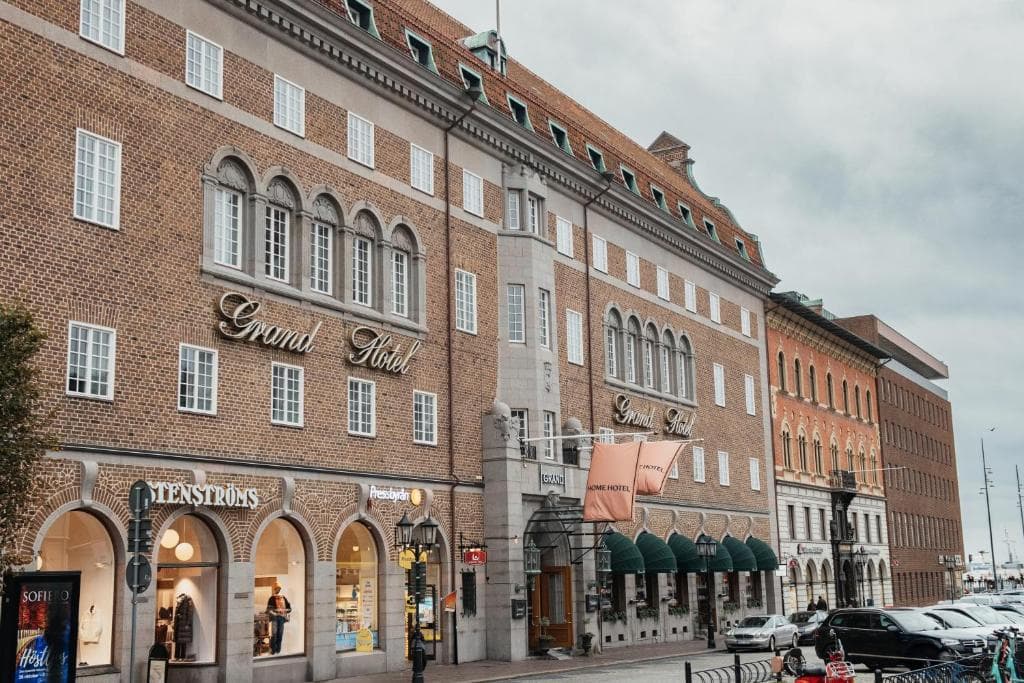
Home Hotel Grand Helsingborg (Grand Hotel / Clarion Grand)
Helsingborg, Skåne
Haunted Accommodation · ★★★★★
Approximately 21.0 km apart
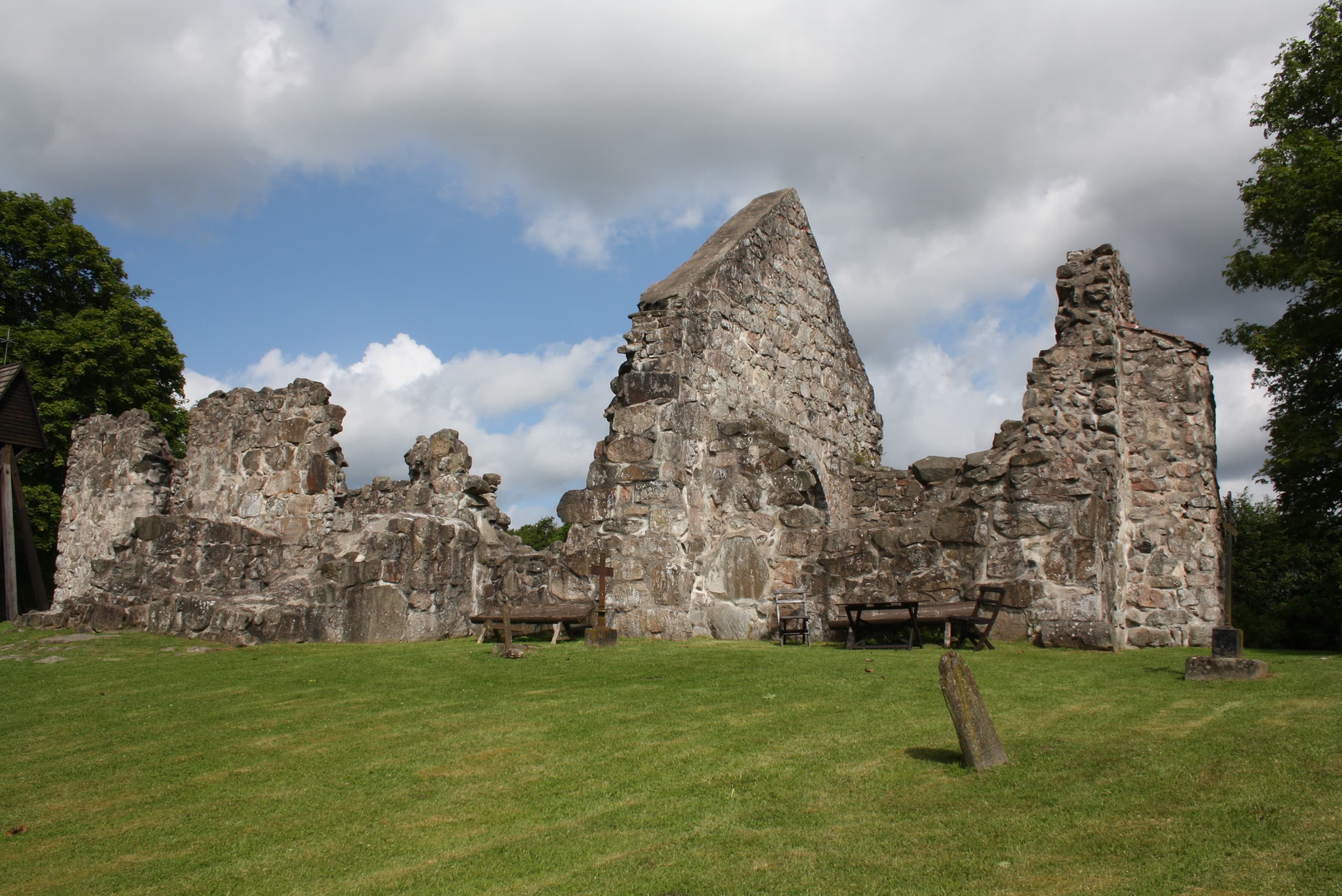
Rya Church Ruin (Rya Kyrkoruin)
Örkelljunga, Skåne
Church / Cemetery · ★
Approximately 45.2 km apart
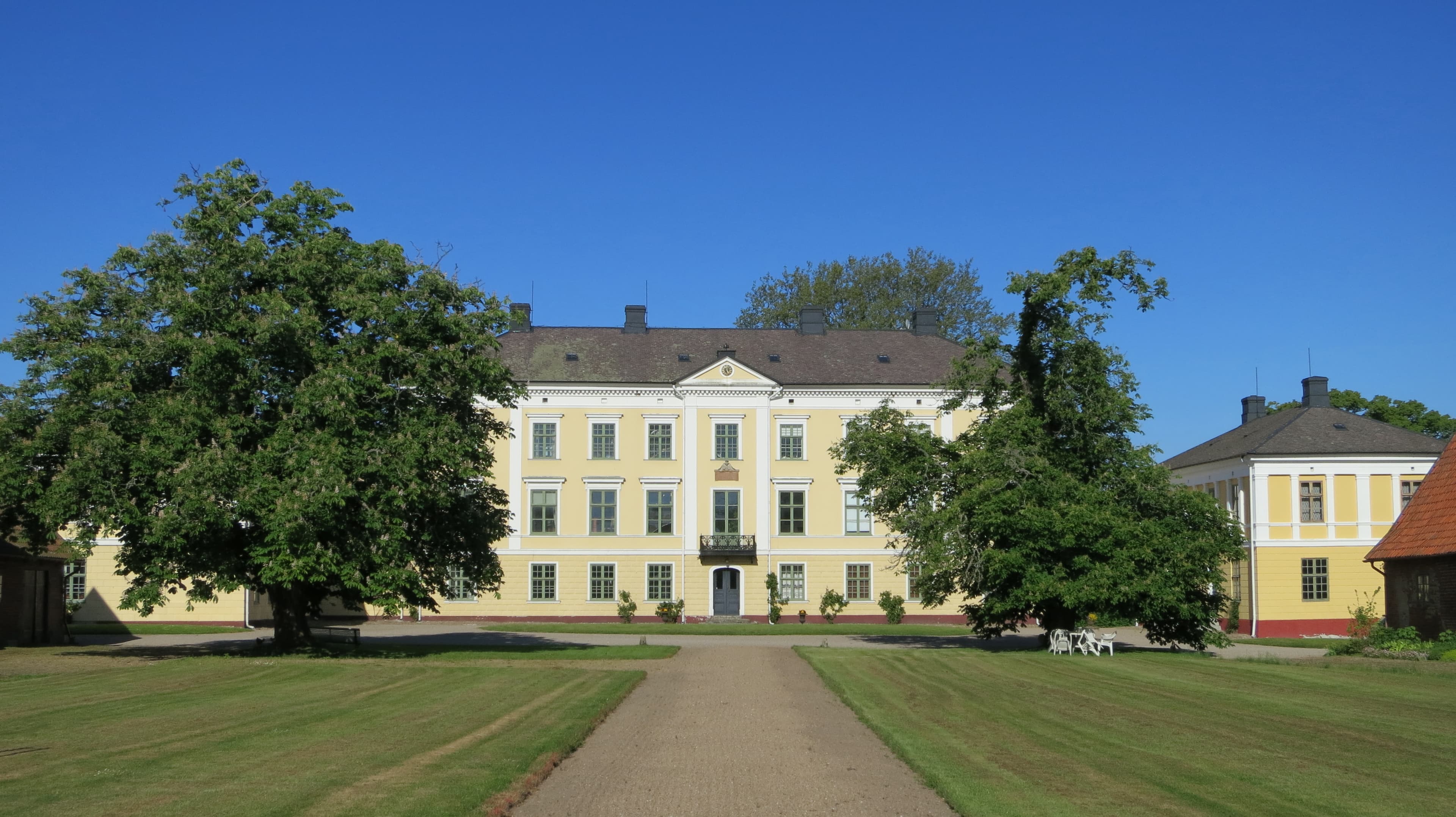
Börringekloster Castle
Svedala, Skåne
Manor / Estate · ★★★★
Approximately 49.4 km apart
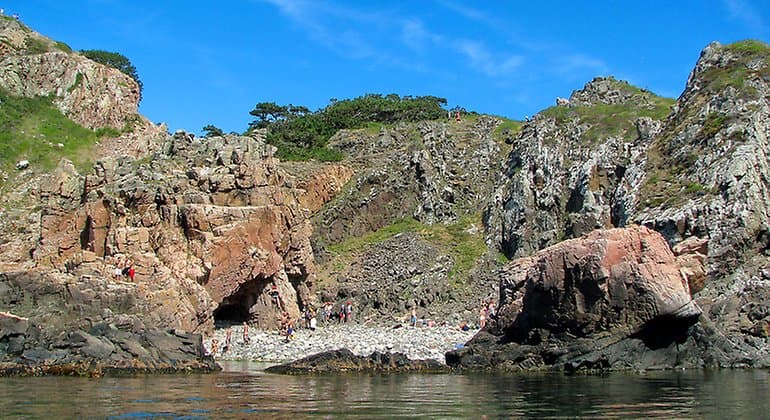
Kullaberg Nature Reserve
Mölle, Skåne
Forest / Nature Site · ★★★★
Approximately 53.1 km apart
Norrsvedje Inn
Norrsvedje, Skåne
Haunted Accommodation · ★★★★
Approximately 57.0 km apart
Näsby Castle
Skurup, Skåne
Haunted Accommodation · ★★★★
Approximately 63.4 km apart