Löwenströmska Hospital (Historic Campus)
Löwenströmska lasarettet
Upplands Väsby, Stockholm, Sweden
Haunting level
Historic Upplands Väsby hospital campus founded c. 1810 by Gustaf Adolf Löwenström after the Anckarström regicide — later sanatorium and care schools; many older buildings abandoned after 1993.
Quick facts
- Founded
- 1810 building · 1811 endowment
- Architect
- Carl Christoffer Gjörwell
- Founder
- Gustaf Adolf Löwenström
- Atonement story
- Oral tradition (SBL) + popular history
- Historic stock empty
- Often cited from 1993 · sold 2009
- Access
- Mixed campus — no trespassing
- Haunted Sweden
- Score 9.5 · Premium EXTREMELY HIGH
Verification
Community verified
Supported by multiple reports, photos or confirmations from different visitors.
0
Evidence
0
Reports
1
Photos
0
Videos
Investigation Sources
Track which teams have investigated this location. Haunted Sweden builds verified visits over time.
[Spökjakt]
TV Investigation
Not investigated yet
[LaxTon]
YouTube Investigation
Not investigated yet
[Haunted Sweden]
Team verification
Not investigated yet
History
DOCUMENTED: Gustav III, Anckarström and the Löwenström name
On **16 March 1792** King **Gustav III** was shot at the Opera masquerade by **Jacob Johan Anckarström** and died of wounds on 29 March. The family name Anckarström was stained; brother **Gustaf Adolf** adopted **Löwenström**. He later bought/leased land at Torsåker, Hammarby and Holmen near the Stockholm–Uppsala road and Lake Fysingen.
DOCUMENTED: Founding the hospital (1808–1811)
On **12 November 1808** Löwenström asked Stockholm city architect **Carl Christoffer Gjörwell the Younger** for drawings for a hospital on the Holmen property. Care began in an existing building before the purpose-built house north of Hammarby church was ready (**1810**). By gift deed and testament **1811** he endowed **Löwenströmska lasarettet**, to be administered by **Serafimergillet** (Seraphim Order chapter). First long-serving medical head: Christian Ziegert (German), aided by Beata Westerberg — both commemorated in local street names.
**Atonement motive:** Popular and Wikipedia accounts present the endowment as penance for the brother’s regicide. **Svenskt Biografiskt Lexikon** states the motive is **not explicit in writing** but is **supported by local oral tradition**, while also citing Löwenström’s own illness and the wartime need for regional care after 1808. Haunted Sweden reports both layers — do not treat atonement as a signed confession in the deed.
The original Gjörwell pavilion no longer stands intact; later fabric incorporated older masonry (Locum / SVT note remains in long-care structures).
DOCUMENTED: County hospital, sanatorium, care institutions
**1876:** Stockholms läns landsting (today Region Stockholm lineage) took over from Serafimerorden. Mid-1800s rebuilds expanded beds (Locum: ~16 then ~54). **1884:** county “idiotanstalt” / early special care and schooling on the campus — historically harsh terminology; later **Klockbacka** school and related homes (care/teaching of people then called sinnesslöa, roughly 1884–1984 in Locum overview). **1910:** **Sanatorium** (TB / Hammarby sanatorium) on the hill. Operations culture of early medicine: instruments used for decades, anaesthesia only from 1858 (Locum heritage text).
DOCUMENTED: New hospital, long-term care, abandonment of historic stock
New **Löwenströmska sjukhuset** rose in the **1960s** (often **1968** / Locum mid-1960s). Historic buildings served **långvård** (long-term care) into the early 1990s — English Wikipedia and urbex sources commonly say historic hospital functions ceased **1993**; Swedish Wikipedia notes emptiness after the new complex, with landsting sale of older stock to a property company in **2009**. Redevelopment (Savana / Arkitema etc.) repeatedly stalled by **Arlanda airport noise**. Some buildings have been reused or converted (e.g. sanatorium → dementia housing in owner materials); others remain empty, vandalised and photogenic for urbex. A **1985** psychiatric building and modern forensic/psychiatric wards belong to the **active** hospital campus — not the abandoned ruin narrative.
DOCUMENTED dark / medical context (no invented epidemics)
Nineteenth-century hospital care meant high mortality risk, limited anaesthesia, contagion including tuberculosis at the 1910 sanatorium, and institutionalisation of psychiatric / intellectual disability populations under period labels. Do not invent specific plague years or named mass-death events without archival proof.
Legends
FOLKLORE / URBAN LEGEND — source-labelled
Abandoned hospitals attract ghost stories almost automatically — Haunted Sweden states that explicitly. Local media (**Mitt i**, Halloween features) report rumours of adventurous locals attempting overnight stays and leaving after **mysterious sights and sounds**. Urbex blogs (Schtaie, Utforskat, Oskyltat) emphasise decay, smashed windows and “spooky aura,” usually without controlled investigation data.
Treat shadow figures, corridor footsteps, voices and cold spots circulating online as **modern urban-exploration / newspaper atmosphere folklore**, not verified hauntings. No peer-reviewed paranormal study was located.
Atonement storytelling
The Anckarström–atonement narrative is itself partly **oral tradition** (SBL) amplified into founding myth — historically powerful, but distinguish oral tradition from signed deed language.
Special atmospheric areas (history + decay — not verified hotspots)
1. Historic / “Gamla” lasarett fabric (Gamla Lasarettsvägen area). 2. Former psychiatric / care buildings in the old park (many empty; some active psych elsewhere). 3. Old sanatorium hill (Hammarby / 1910) — partly reused. 4. Long corridors and façades of abandoned stock. 5. Cemetery/chapel — only if documented on a lawful visit; do not invent.
Atmosphere, investigation ideas, best conditions
Crumbling brick, long empty wings, forest and Fysingen edge, Arlanda rumble in the distance. Ideas: exterior documentary; archive research (Regionarkivet Stockholm / SBL); historian interviews; atonement myth vs deed; history vs urbex legend. Best: fog, autumn, rain, blue hour — **from lawful vantage points only**.
Haunted Sweden Investigation
Status: Investigation planned — not yet completed
This location is on the Haunted Sweden investigation shortlist. We separate documented history from folklore and visitor reports until a team visit can confirm access, atmosphere, and any claimed evidence.
- Documented history and primary sources
- Local folklore vs. unverified claims
- Visitor access, safety and night-visit notes
- Photos, audio and community reports (when available)
Been here? Help the investigation — submit a tip or report
Paranormal reports
No approved reports yet. Share your experience.
Photos
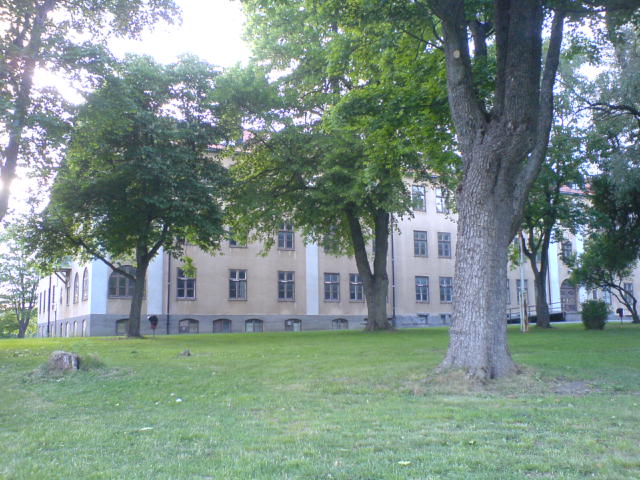
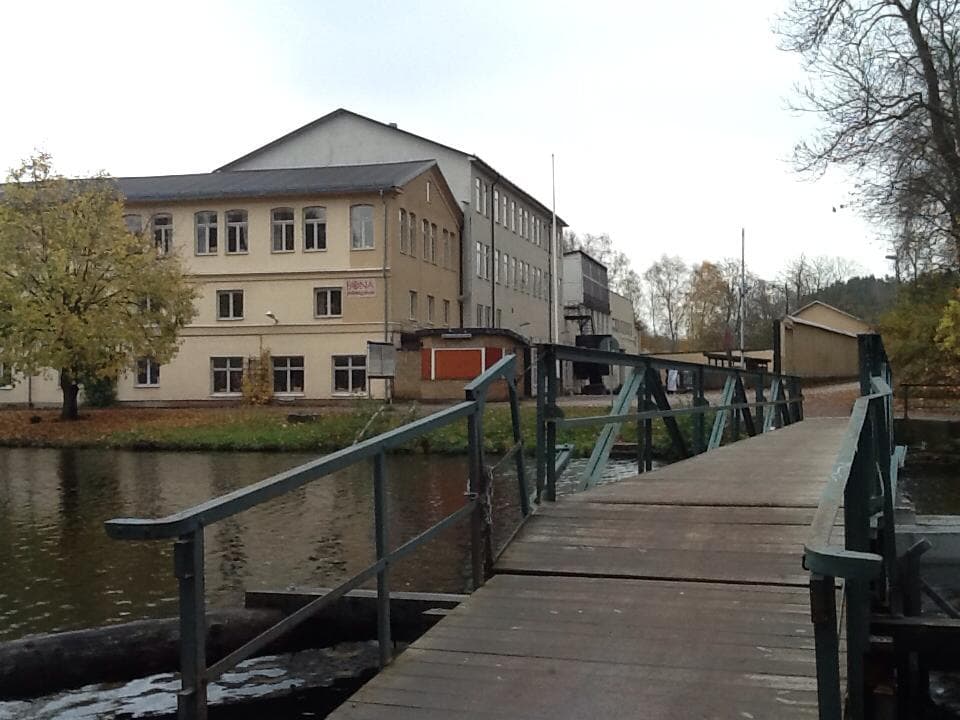
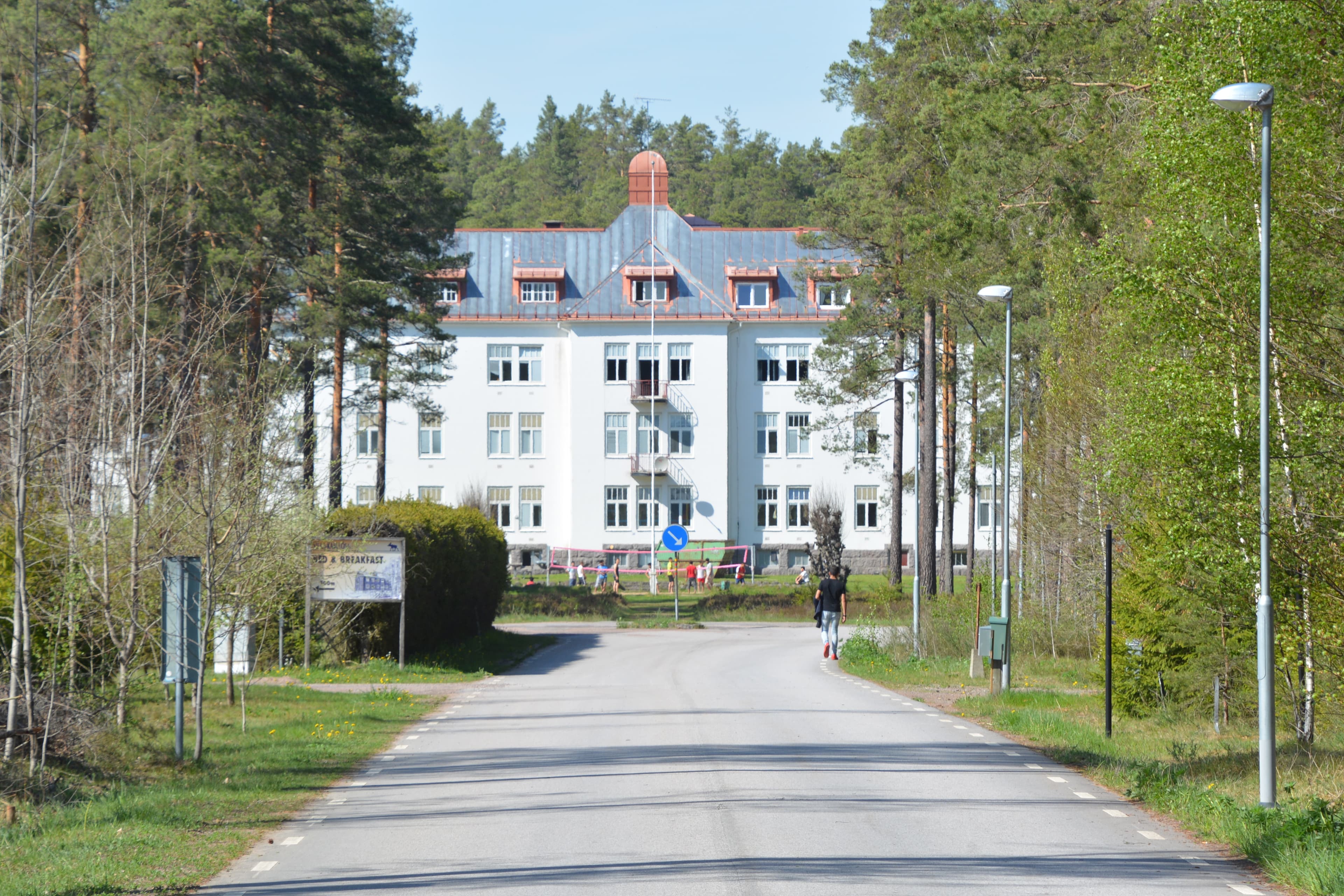
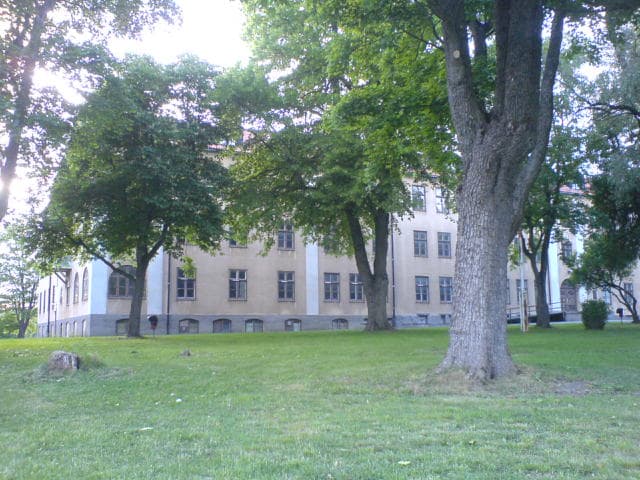
Gamla Löwenströmska lasarettet — historic hospital fabric, Upplands Väsby
Added by: Wikimedia Commons
Videos
No videos yet. Be the first to contribute.
Location
- City
- Upplands Väsby
- Region
- Stockholm
- Country
- Sweden
- Address
- 194 45 Upplands Väsby, Sweden
- Coordinates
- 59.5411°, 17.9147°
Access
Restricted Access
Family friendly
Not family friendly
Visit difficulty
★★☆☆☆
Night access
Not recommended
Parking
Available
Guided tours
None
Public access
Restricted
Safety
MIXED CAMPUS: a modern Löwenströmska sjukhus and some care homes are ACTIVE. Historic empty buildings are private property (developer ownership). Do NOT trespass, force entry, or film interiors without permission. Structural hazards, vandalism and security apply. Respect patients, staff and residents. Haunted Sweden never encourages illegal urbex. Prefer public roads and lawful exterior photography.
Frequently asked questions
Was the hospital really built as atonement for Gustav III’s murder?
Can I explore the abandoned buildings?
When did the old hospital close?
Are the ghost stories proven?
Has Haunted Sweden investigated yet?
Nearby haunted locations
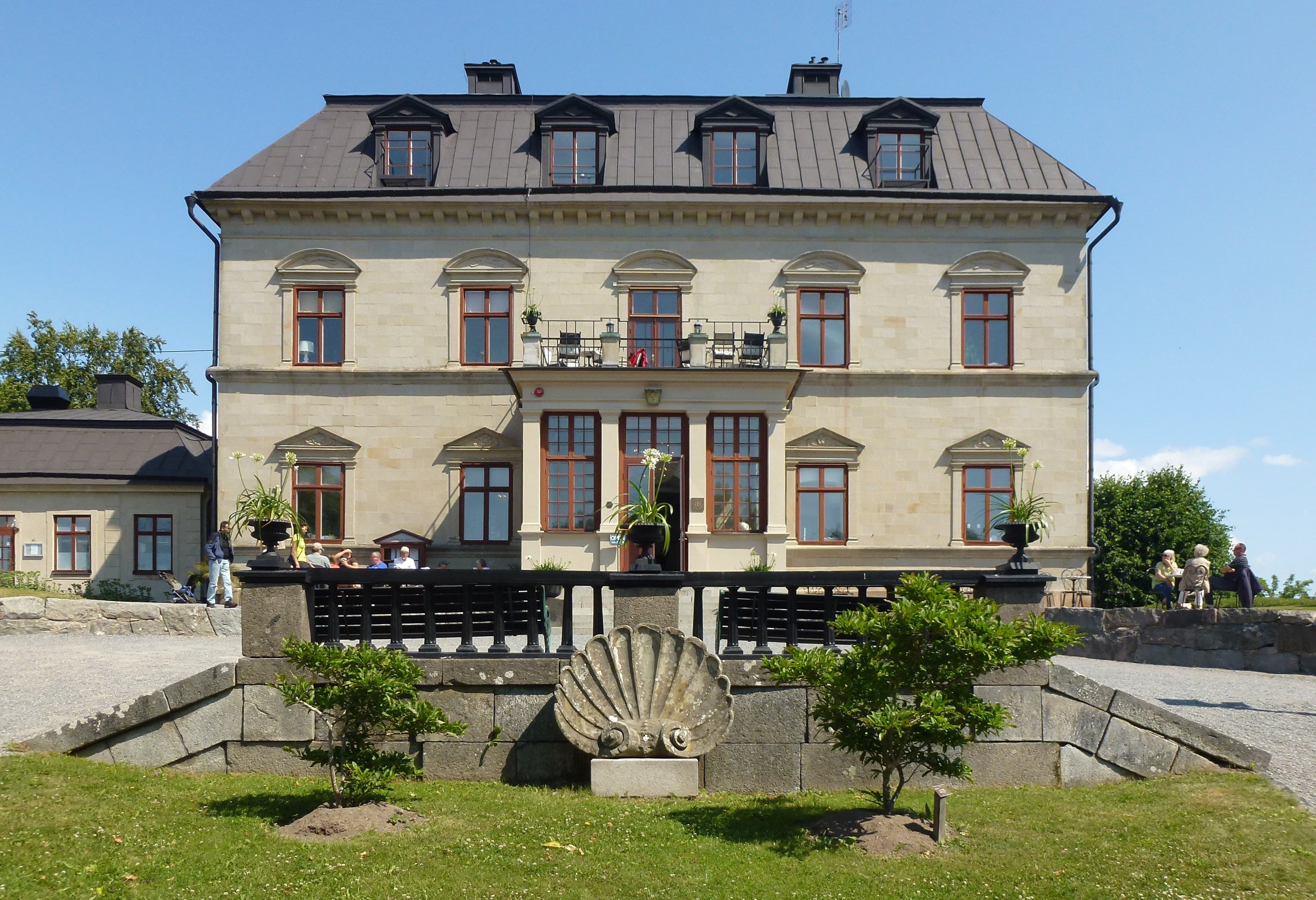
Görväln Castle
Järfälla, Stockholm
Castle / Castle Ruin · ★★★★
Approximately 13.9 km apart
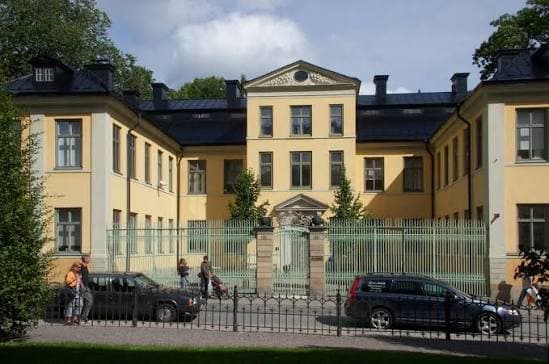
Scheffler Palace (Spökslottet / The Haunted Palace)
Stockholm, Stockholm
Urban Legend · ★★★★★
Approximately 23.2 km apart
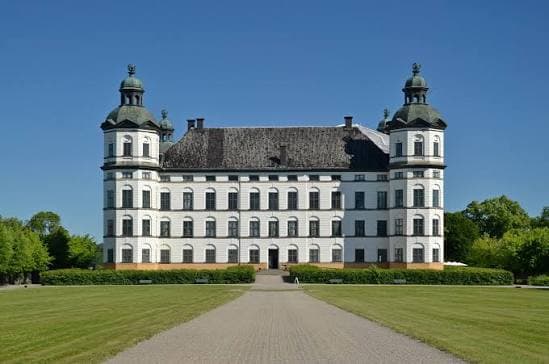
Skokloster Castle
Skokloster, Uppland
Castle / Castle Ruin · ★★★★★
Approximately 24.5 km apart
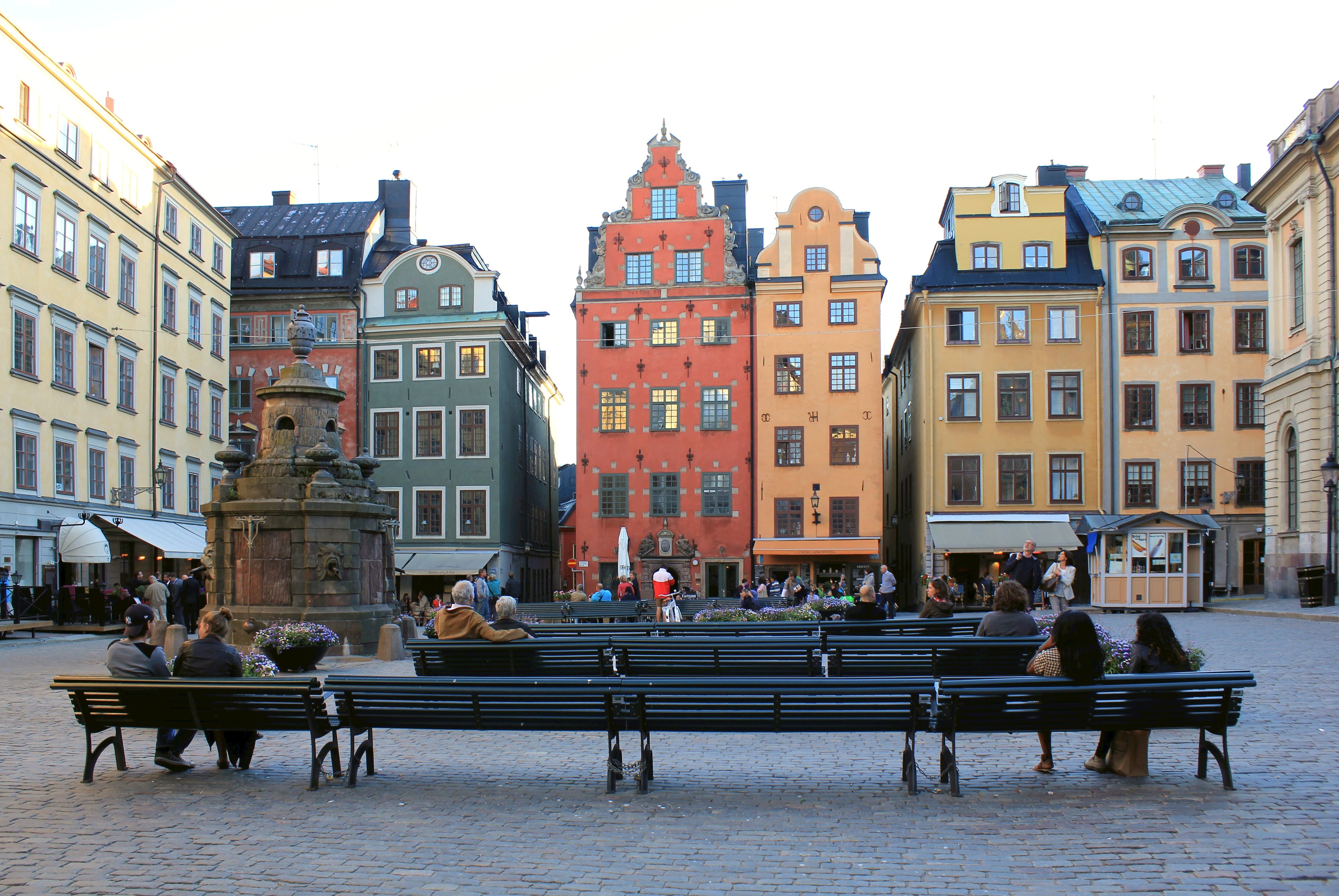
Stortorget – Stockholm Bloodbath (Stockholms blodbad)
Stockholm, Stockholm
Historical Tragedy Site · ★★★★★
Approximately 25.5 km apart
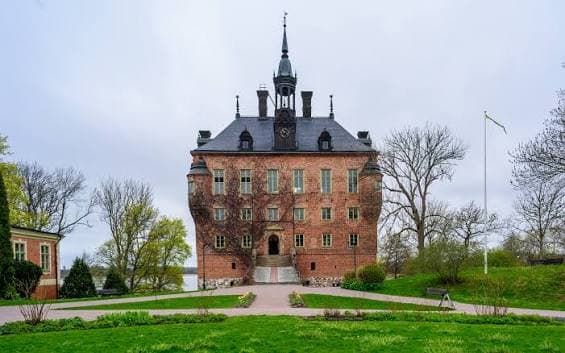
Wik Castle (Viks Slott)
Balingsta, Uppland
Castle / Castle Ruin · ★★★★★
Approximately 33.4 km apart
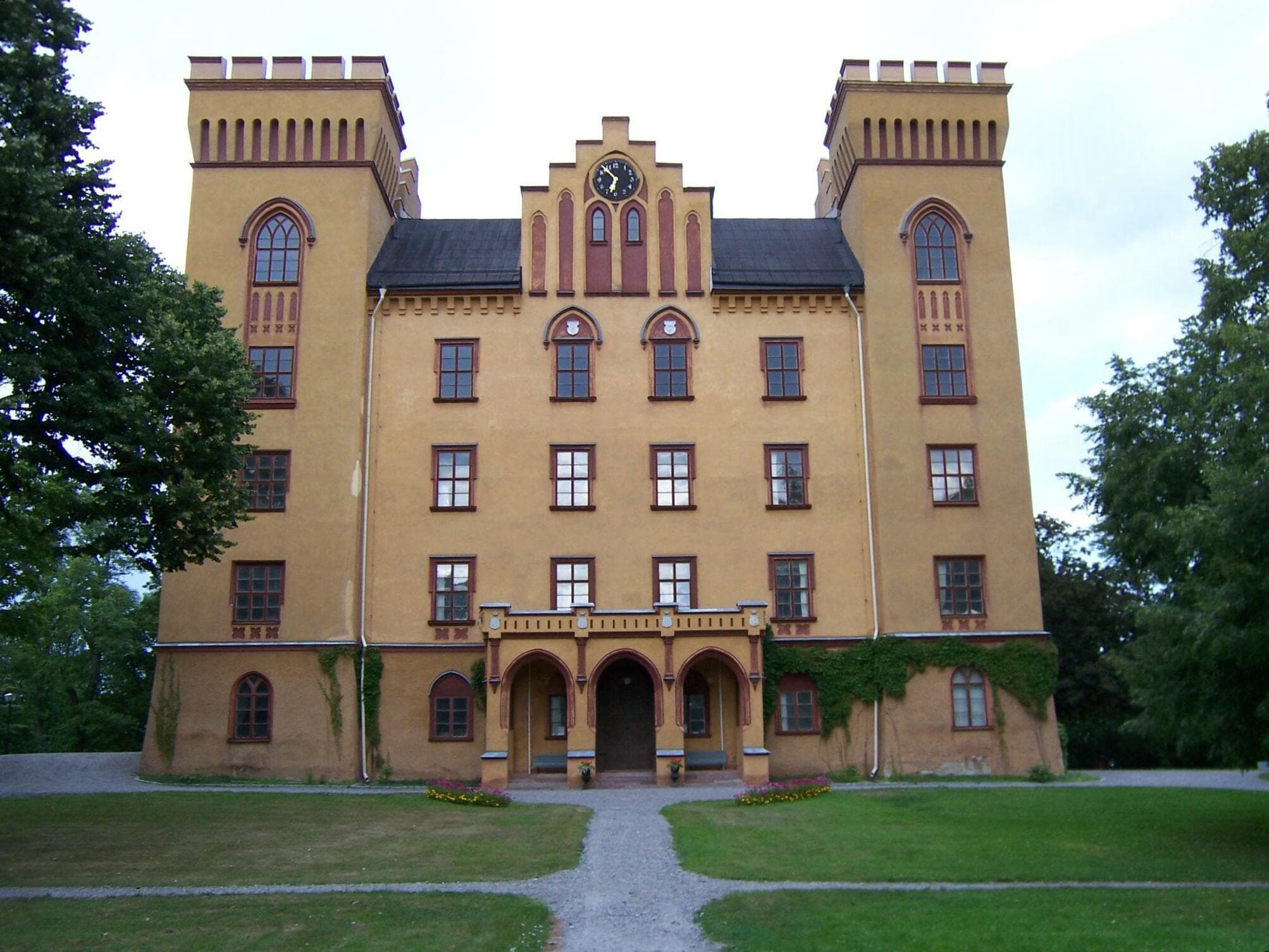
Bogesunds Castle
Värmdö, Stockholm
Castle / Castle Ruin · ★★★★★
Approximately 47.8 km apart