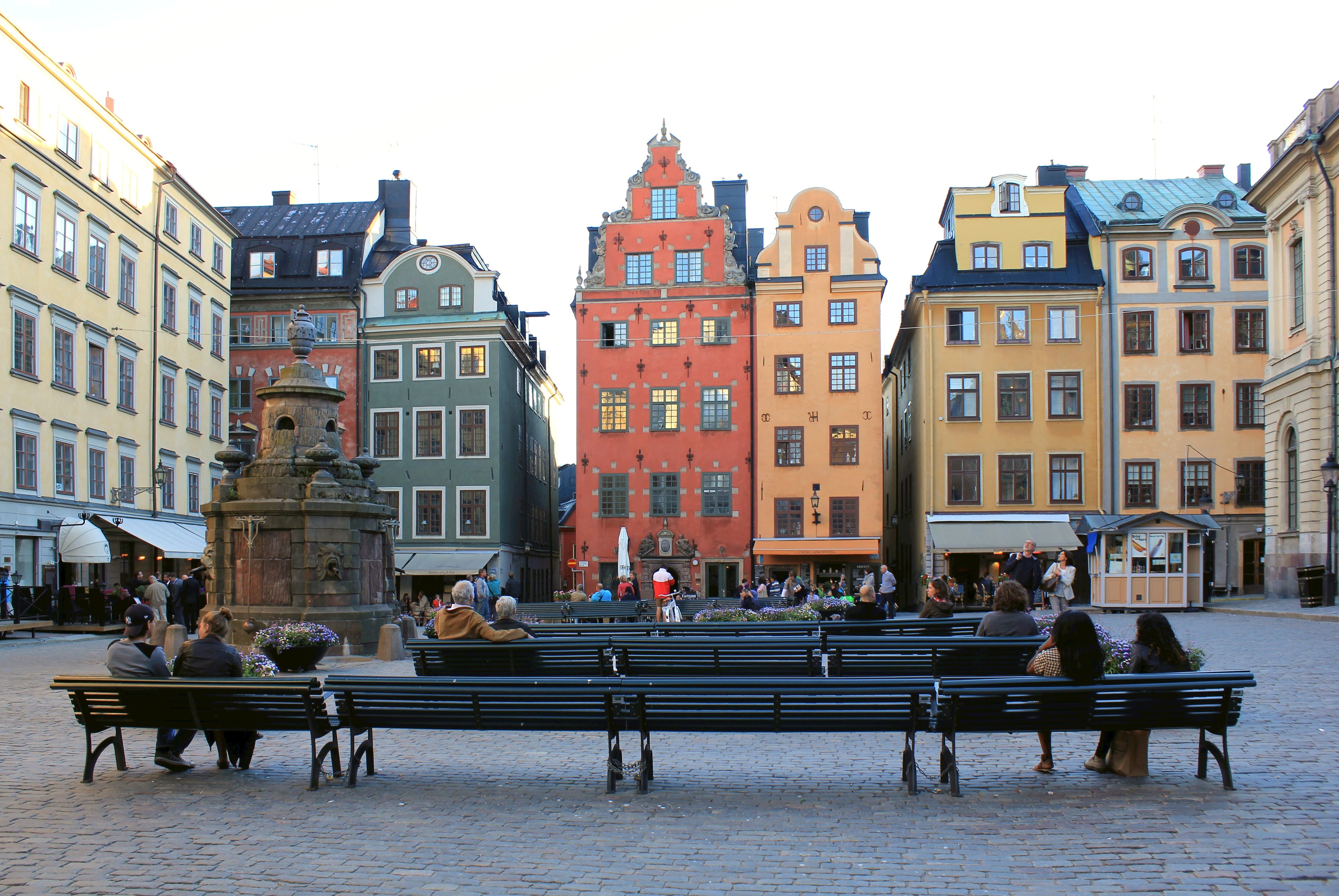
Stortorget – Stockholm Bloodbath (Stockholms blodbad)
Stortorget – Stockholm Bloodbath
Stockholm, Stockholm, Sweden
Haunting level
Gamla Stan’s main square — site of the Stockholm Bloodbath (Nov 1520), later white-stone memorial folklore on Schantzska huset, and Sweden’s most charged medieval urban stage.
Quick facts
- Bloodbath
- 8–9 Nov 1520 (events from 7 Nov)
- Victims
- ~80–100 (executioner: 82)
- Ordered under
- Christian II · Gustaf Trolle’s heresy case
- Schantzska huset
- Façade 1650 · white-stone folklore
- Stone count myth
- Often 92; Wikipedia count 94
- Nearby
- Storkyrkan · Nobel Prize Museum
- Haunted Sweden
- Score 9.8 · Premium EXTREMELY HIGH
Verification
Community verified
Supported by multiple reports, photos or confirmations from different visitors.
0
Evidence
0
Reports
1
Photos
0
Videos
Investigation Sources
Track which teams have investigated this location. Haunted Sweden builds verified visits over time.
[Spökjakt]
TV Investigation
Not investigated yet
[LaxTon]
YouTube Investigation
Not investigated yet
[Haunted Sweden]
Team verification
Not investigated yet
History
DOCUMENTED: Medieval Stortorget and Gamla Stan
Stortorget (“the Great Square”) is Stockholm’s oldest square — the central point around which the medieval city grew from the 1200s onward. Named in sources as *stora torghit* (1420). From the 1300s to 1732 the city’s town hall (rådstuga) stood here; it was the main marketplace (Erik XIV’s 1563 privileges directed trade here). Nearby **Storkyrkan** (Stockholm Cathedral) served royal and civic ritual; since 2001 the **Nobel Prize Museum** occupies the former Stock Exchange (Börshuset) on the square. **Stortorgsbrunnen** (well pavilion by Erik Palmquist / Palmstedt, 1778; moved away 1857, returned 1953 as aesthetic monument) marks the centre. Colourful merchant façades — Grillska, Schantzska, Seyfridtzska and others — define today’s tourist Gamla Stan.
Earlier recorded executions on the square include 1280 (Folkunga uprising victims under Magnus Ladulås). Between 1603 and 1776 the shame-pole figure **Kopparmatte** stood here as a crime warning.
DOCUMENTED: Christian II’s coronation and the path to massacre
After invading Sweden in 1520 and receiving Stockholm (amnesty letters September 1520), Christian II was acclaimed and crowned king of Sweden in **Storkyrkan on 4 November 1520**, anointed by Archbishop **Gustaf (Gustav) Trolle**. A three-day coronation feast followed at Tre Kronor castle.
On **7 November** guests were summoned back to the great hall; gates closed. Trolle demanded huge compensation for the demolition of **Almarestäket** and other injuries to the church, listing Sten Sture the Younger and supporters as guilty of **manifest heresy**. Arrests followed that evening. A clerical panel the next day affirmed heresy and handed the accused to the secular power for the customary extreme penalty.
DOCUMENTED: Stockholm Bloodbath, 8–9 November 1520
Executions on **Stortorget** began at midday **Thursday 8 November 1520**. Eyewitness **Olaus Petri** describes bishops of Skara and Strängnäs (**Vincentius** and **Mattias Gregersson (Lillie)**) led out first and **beheaded with the sword**, then nobles by sword, then Stockholm’s burgomasters and councillors **hanged** from a gallows on the square. **9 November** continued with servants and further victims. Bodies lay on the square into Saturday; blood ran in the gutters. On **10 November** corpses were burned on large pyres on **Södermalm** (later Katarina churchyard area); the body of Sten Sture the Younger was exhumed from the Blackfriars and burned too.
Victim counts vary: executioner **Jürgen Homuth** claimed **82**; historians and media often cite **~80–100** (SVT: near 100; popular summaries ~90). Lists commonly include riksråd **Erik Johansson (Vasa)** — father of **Gustav Vasa** — whose rebellion and the break with the Kalmar Union followed. Christian II became known in Sweden as **Kristian Tyrann**. Political terror, disarmament of burghers, and imprisonment of widows (including Kristina Gyllenstierna) followed.
DOCUMENTED: Schantzska huset (building history — not 1520)
**Schantzska huset**, Stortorget 20 (beside Seyfridtzska huset), is named for royal secretary **Johan Eberhard Schantz**. The present stepped-gabled Nordic Renaissance façade dates to **1650** (restored 1905), with limestone portal by Johan Wendelstam and a German Psalm 37:5 inscription. It is **more than a century after** the Bloodbath — so its decorative white stones cannot be contemporary memorial markers from 1520.
DOCUMENTED dark history summary (no invented events)
Beheadings and hangings on the marketplace; public display of bodies; burning of corpses (and Sture’s remains) on Södermalm; heresy trial framing; Gustav Vasa’s personal loss and ensuing national revolt. Separate folklore (white stones / restless souls) below.
Legends
FOLKLORE: The white stones of Schantzska huset
**Widespread tradition:** white stones on the red façade of Schantzska huset each stand for a Bloodbath victim. Popular tourism and media often say **92** stones (Expressen and similar; stockholmgamlastan-linked tellings). **Swedish Wikipedia** notes that if one counts carefully the number is **94**, and states clearly that the stones’ link to the executed has **no real historical foundation** — they are a **later symbolic / mythic reading** of a 1650 façade, not a 1520 memorial programme.
**Missing-stone legend (folklore):** as long as the stones remain, the dead find a measure of peace; if one stone disappears, the soul it “represents” becomes a restless revenant wandering Gamla Stan forever. Haunted Sweden labels this **folklore**, not documented history. Verify any current count by eye on site — do not treat “92” or “94” as an official Bloodbath victim tally.
FOLKLORE / GHOST-WALK CULTURE
Stortorget is a staple of Gamla Stan ghost and history walks (Stockholm Ghost Walk, Sweden History Tours, story tours, etc.): Bloodbath narrative, executioner motifs, night alleys, oppression of place. Cannonball folklore on a corner house (Gustav Vasa siege legend — Wikipedia notes the visible ball was set into a 1795 rebuild as symbolic memorial, not a verified 1521 hit on Christian II) is a separate local tale often told nearby.
MODERN WITNESS-STYLE REPORTS (anecdotal)
Visitors and tour guests report apparitions on the square, night footsteps, unexplained voices, sadness or oppression — especially near Schantzska huset, the approximate execution ground, the well, and narrow alleys. No peer-reviewed paranormal study of Stortorget was located. Record as subjective experience and tourism atmosphere, not proven hauntings.
Special haunted areas (atmosphere + legend)
1. **Schantzska huset** — white stones / memorial folklore. 2. **Execution site** — approximate marketplace centre of the Bloodbath. 3. **Medieval well (Stortorgsbrunnen)** — historic centrepiece. 4. **Narrow alleys** — classic ghost-walk setting into Gamla Stan.
Atmosphere, investigation ideas, best conditions
Medieval cobbles, colourful façades, lantern evening light, winter fog — one of Sweden’s most atmospheric historic squares. Ideas: Bloodbath after dark (respectful photography); white-stone legend documentation; history vs folklore; join a licensed ghost walk; EVP only where legal and respectful; Haunted Sweden Stockholm documentary. Best: winter evenings, blue hour, heavy rain, late walking tours, autumn fog. Public square year-round; respect residents and businesses.
Haunted Sweden Investigation
Status: Investigation planned — not yet completed
This location is on the Haunted Sweden investigation shortlist. We separate documented history from folklore and visitor reports until a team visit can confirm access, atmosphere, and any claimed evidence.
- Documented history and primary sources
- Local folklore vs. unverified claims
- Visitor access, safety and night-visit notes
- Photos, audio and community reports (when available)
Been here? Help the investigation — submit a tip or report
Paranormal reports
No approved reports yet. Share your experience.
Photos
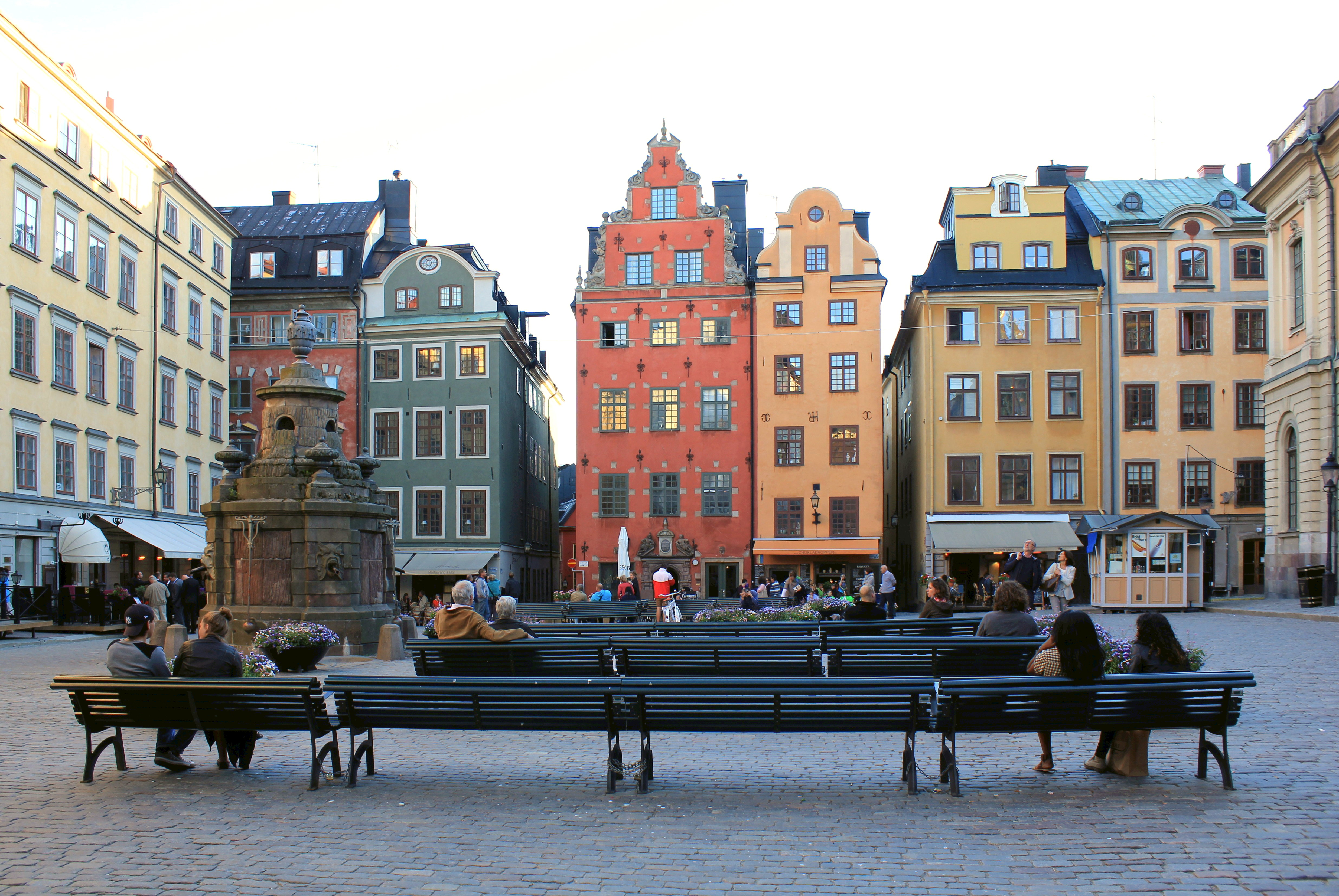
Stortorget, Gamla Stan — site of the Stockholm Bloodbath
Added by: Wikimedia Commons
Videos
No videos yet. Be the first to contribute.
Location
- City
- Stockholm
- Region
- Stockholm
- Country
- Sweden
- Address
- Stortorget, Gamla Stan, 111 29 Stockholm, Sweden
- Coordinates
- 59.3255°, 18.0708°
Access
Public landmark
Family friendly
Family friendly
Visit difficulty
★☆☆☆☆
Night access
Allowed
Parking
Limited
Guided tours
Available
Public access
Yes
Safety
Public historic square open year-round. Easy walking access through Gamla Stan; cobbles can be slippery when wet or icy. Guided historical and ghost tours available from commercial operators. Respect façades, residents, shops and museums — do not climb buildings, remove or touch façade stones, or block emergency access. Keep night noise low.
Frequently asked questions
When was the Stockholm Bloodbath?
How many people were executed?
Do the white stones on Schantzska huset commemorate the victims?
How is Gustav Vasa connected?
Has Haunted Sweden investigated Stortorget yet?
Nearby haunted locations
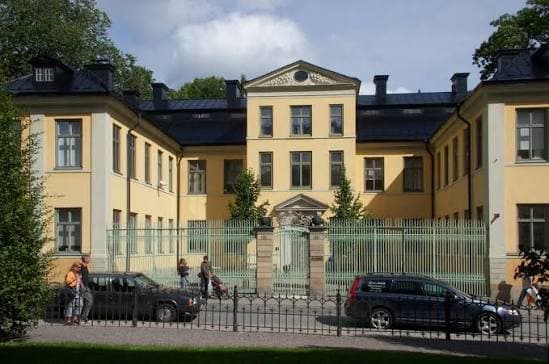
Scheffler Palace (Spökslottet / The Haunted Palace)
Stockholm, Stockholm
Urban Legend · ★★★★★
Approximately 2.3 km apart
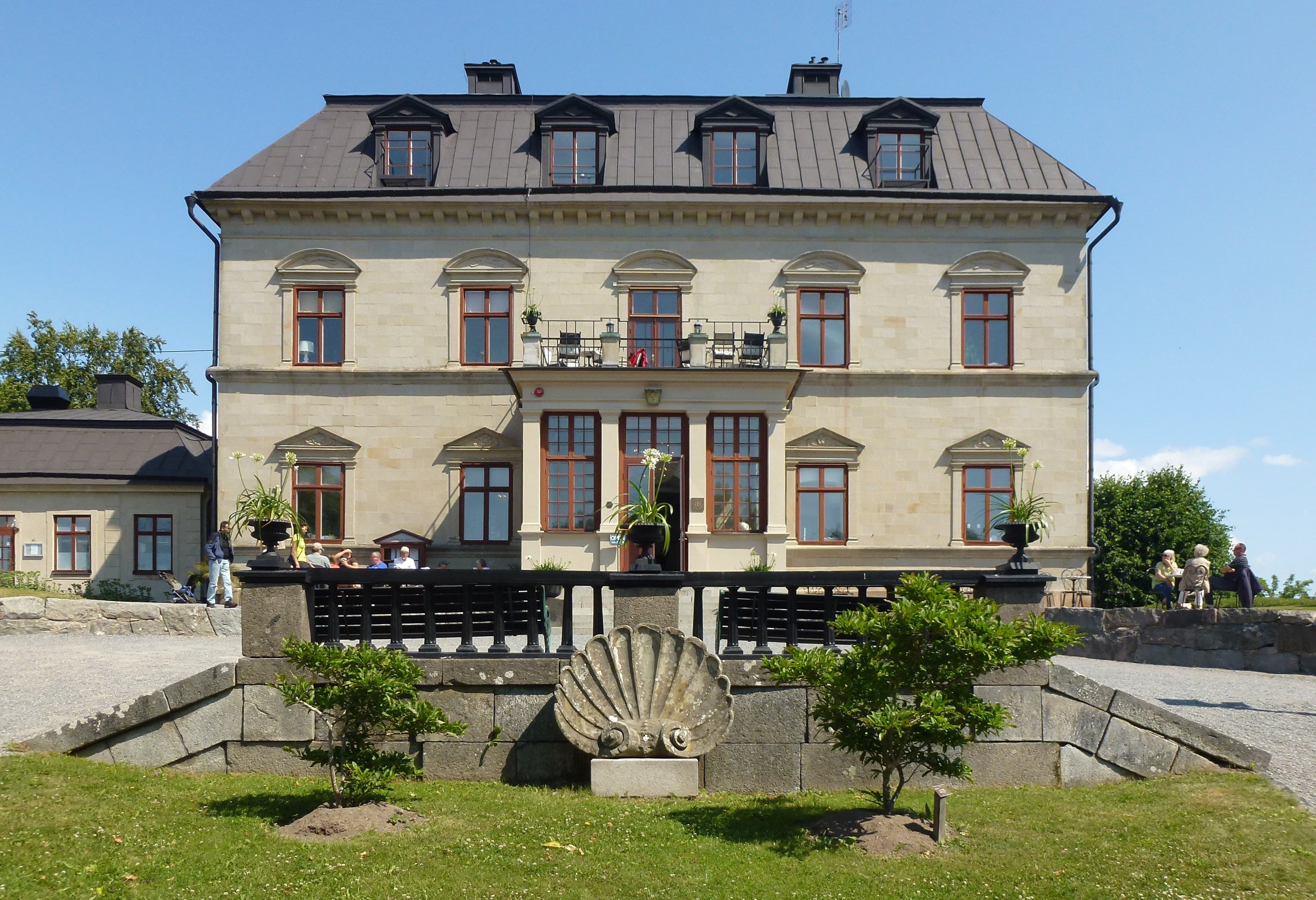
Görväln Castle
Järfälla, Stockholm
Castle / Castle Ruin · ★★★★
Approximately 20.2 km apart
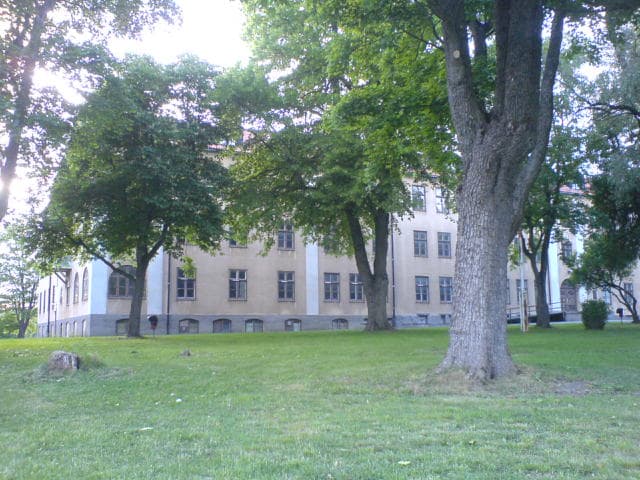
Löwenströmska Hospital (Historic Campus)
Upplands Väsby, Stockholm
Abandoned Place · ★★★★
Approximately 25.5 km apart
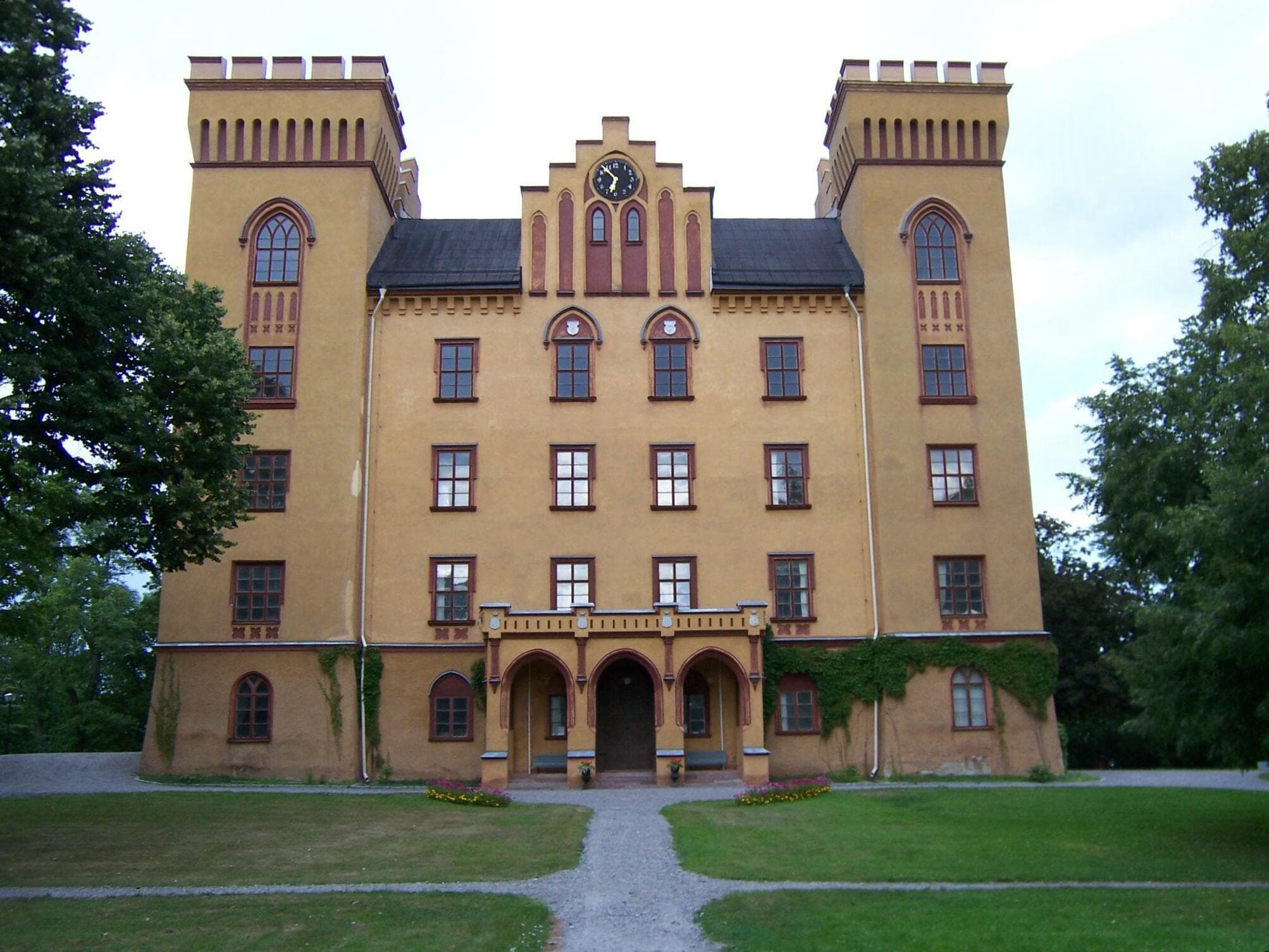
Bogesunds Castle
Värmdö, Stockholm
Castle / Castle Ruin · ★★★★★
Approximately 37.5 km apart
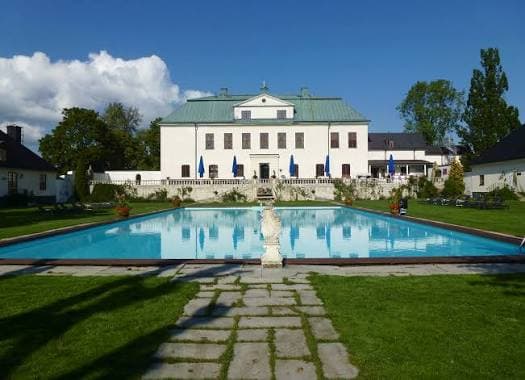
Häringe Castle
Västerhaninge, Stockholm
Castle / Castle Ruin · ★★★★★
Approximately 46.9 km apart
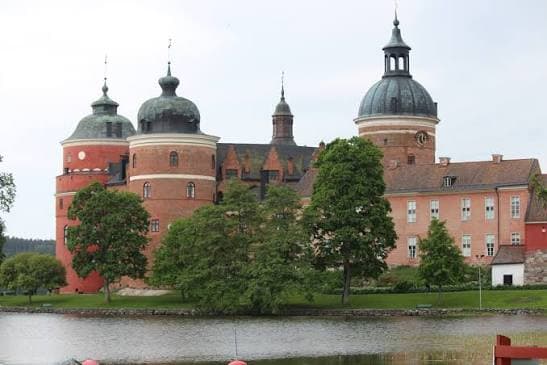
Gripsholm Castle
Mariefred, Södermanland
Castle / Castle Ruin · ★★★★★
Approximately 48.7 km apart