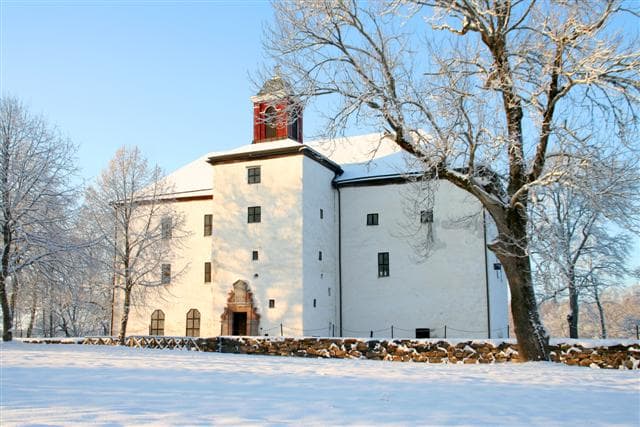
Vadstena Abbey Hotel
Vadstena Klosterhotell
Vadstena, Östergötland, Sweden
Haunting level
Historic monastery hotel at Vadstena Abbey — Bridgettine motherhouse from the 1300s, later hospital, prison and asylum, now one of Sweden's most atmospheric overnight stays beside Lake Vättern.
Verification
Community submitted
Added by a user. Not yet independently verified.
0
Evidence
0
Reports
1
Photos
0
Videos
Investigation Sources
Track which teams have investigated this location. Haunted Sweden builds verified visits over time.
[Spökjakt]
TV Investigation
Not investigated yet
[LaxTon]
YouTube Investigation
Not investigated yet
[Haunted Sweden]
Team verification
Not investigated yet
History
DOCUMENTED: Vadstena Abbey (Vadstena kloster) was founded as the motherhouse of the Bridgettine Order after Saint Birgitta (Birgitta Birgersdotter) received her revelations; monastic life on the site dates to the 1300s. The community functioned as a double monastery with both monks and nuns under the Bridgettine rule until the Reformation. After 1527 the monastery was gradually dissolved, though religious and institutional use of the complex continued in new forms. Documented later roles for parts of the ensemble include Krigsmanshus (housing for injured soldiers), general hospital, correctional institution, prison facilities and mental-health care — centuries of illness, confinement and death layered onto monastic isolation. Several original medieval structures remain integrated into the modern Vadstena Klosterhotell at Lasarettsgatan 3, including some of Sweden's oldest preserved non-religious buildings within a living hotel environment. The abbey church and pilgrimage heritage remain central to Vadstena's identity; the hotel markets stays in monk cells, chapter-house settings and courtyard wings. Sources: parish and regional history, Bridgettine order scholarship, building conservation records, hotel heritage descriptions.
Legends
FOLKLORE & GUEST REPORTS (not historically verified as paranormal): Overnight guests, staff anecdotes and Swedish ghost-hotel tradition mention footsteps in empty corridors, whispering voices, feelings of being watched, and strange sounds at night — sometimes linked to monks, nuns or figures in the medieval wings. Haunted Sweden treats these as subjective experience and folklore unless independently documented. NOTABLE AREAS (atmosphere / reports): (1) Former monastery buildings — original medieval fabric, strongest historical weight. (2) Monk dormitory area — former sleeping quarters, often cited in descriptions of the hotel. (3) Nuns' chapter house — among the most important preserved monastery spaces. (4) Courtyard and cloister passages — stone walkways, deep silence after dark. (5) Hospital and Krigsmanshus-related wings — later institutional use tied to suffering and illness; forgotten graves and incomplete burial records are part of local historical narrative around the grounds. ATMOSPHERE: Candlelit interiors, lake mist from Vättern, autumn rain and winter darkness amplify the site — one of Sweden's most unique licensed overnight locations. FUTURE HAUNTED SWEDEN MISSION (planned): overnight stay, EVP in corridors, night photography, staff interviews, structural history documentation — premium content potential rated extremely high. BEST CONDITIONS: autumn evenings, winter darkness, rainy weather, quiet weekdays, overnight stays.
Haunted Sweden Investigation
Status: Investigation planned — not yet completed
This location is on the Haunted Sweden investigation shortlist. We separate documented history from folklore and visitor reports until a team visit can confirm access, atmosphere, and any claimed evidence.
- Documented history and primary sources
- Local folklore vs. unverified claims
- Visitor access, safety and night-visit notes
- Photos, audio and community reports (when available)
Been here? Help the investigation — submit a tip or report
Paranormal reports
No approved reports yet. Share your experience.
Photos
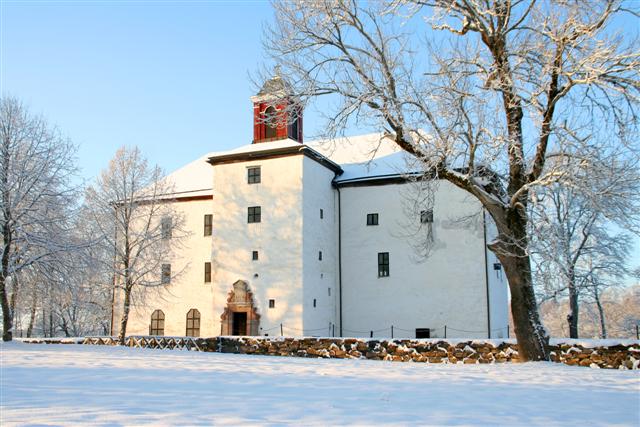
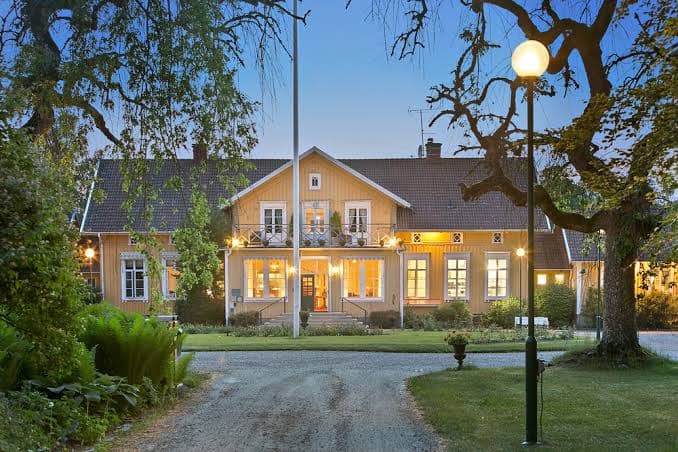
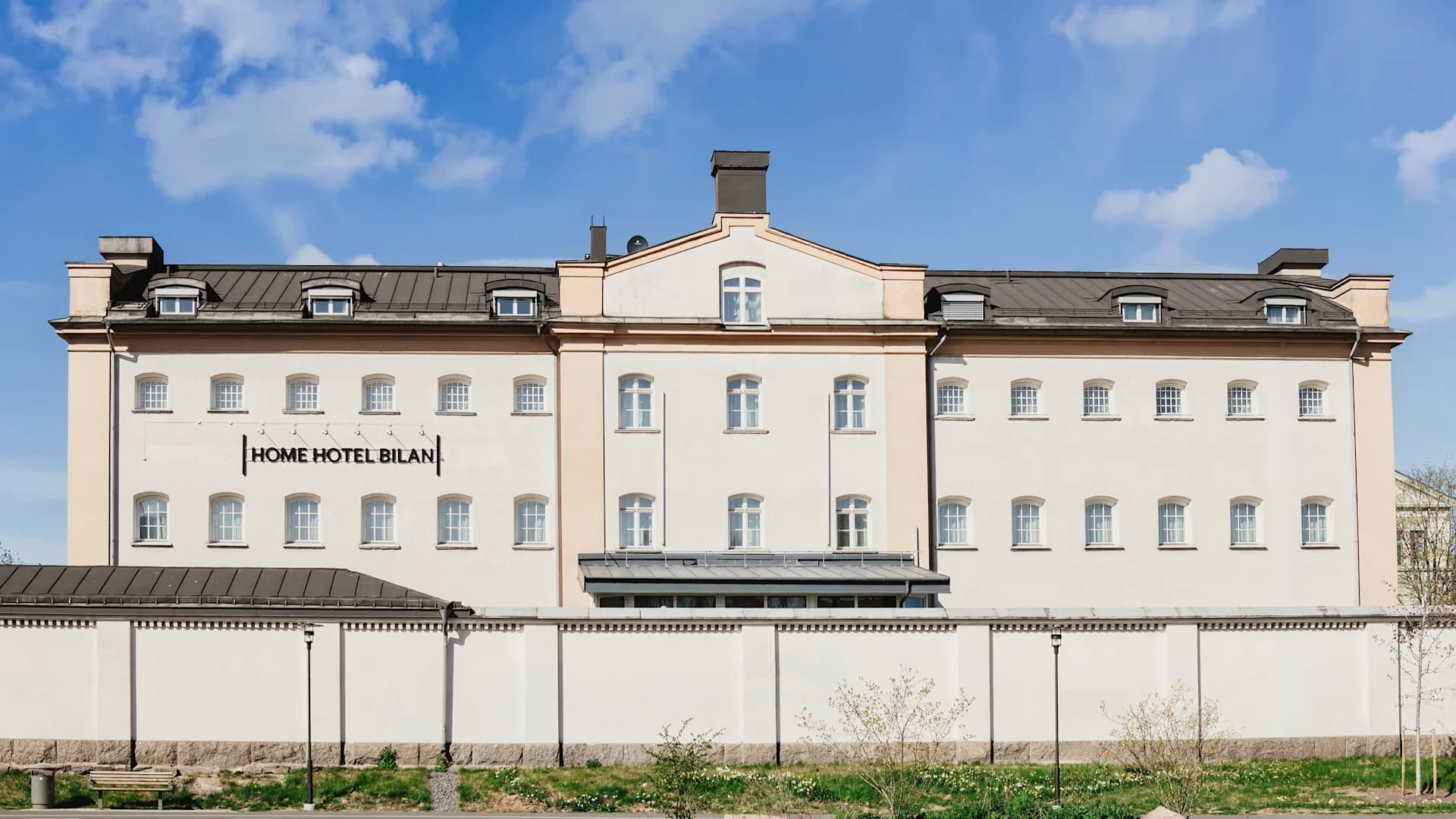
Vadstena Abbey Hotel, Vadstena
Added by: Wikimedia Commons
Videos
No videos yet. Be the first to contribute.
Location
- City
- Vadstena
- Region
- Östergötland
- Country
- Sweden
- Address
- Lasarettsgatan 3, 592 30 Vadstena, Sweden
- Coordinates
- 58.4480°, 14.8890°
Access
Paid accommodation
Family friendly
Family friendly
Visit difficulty
★☆☆☆☆
Night access
Allowed
Parking
Available
Guided tours
Available
Public access
Restricted
Safety
Active hotel — book accommodation only through official channels. Respect other guests, staff, fire rules and night quiet hours. Do not wander into staff-only or closed wings without permission. Medieval floors and stairs may be uneven.
Nearby haunted locations
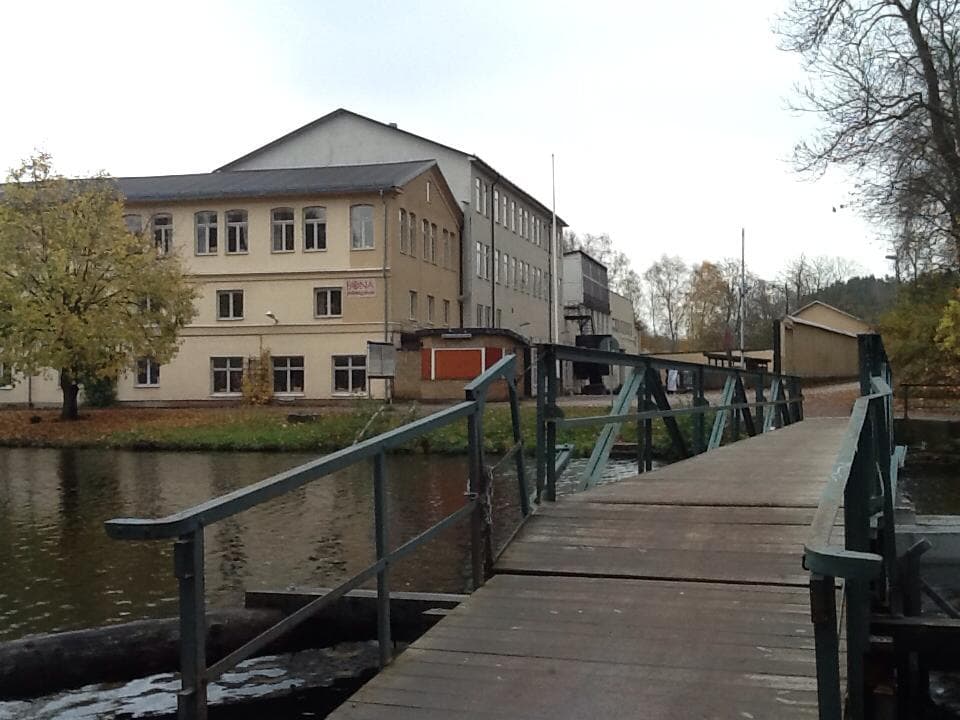
Bona – State Reform School & Västra Ny Hospital
Motala, Östergötland
Abandoned Place · ★★★★★
Approximately 24.3 km apart
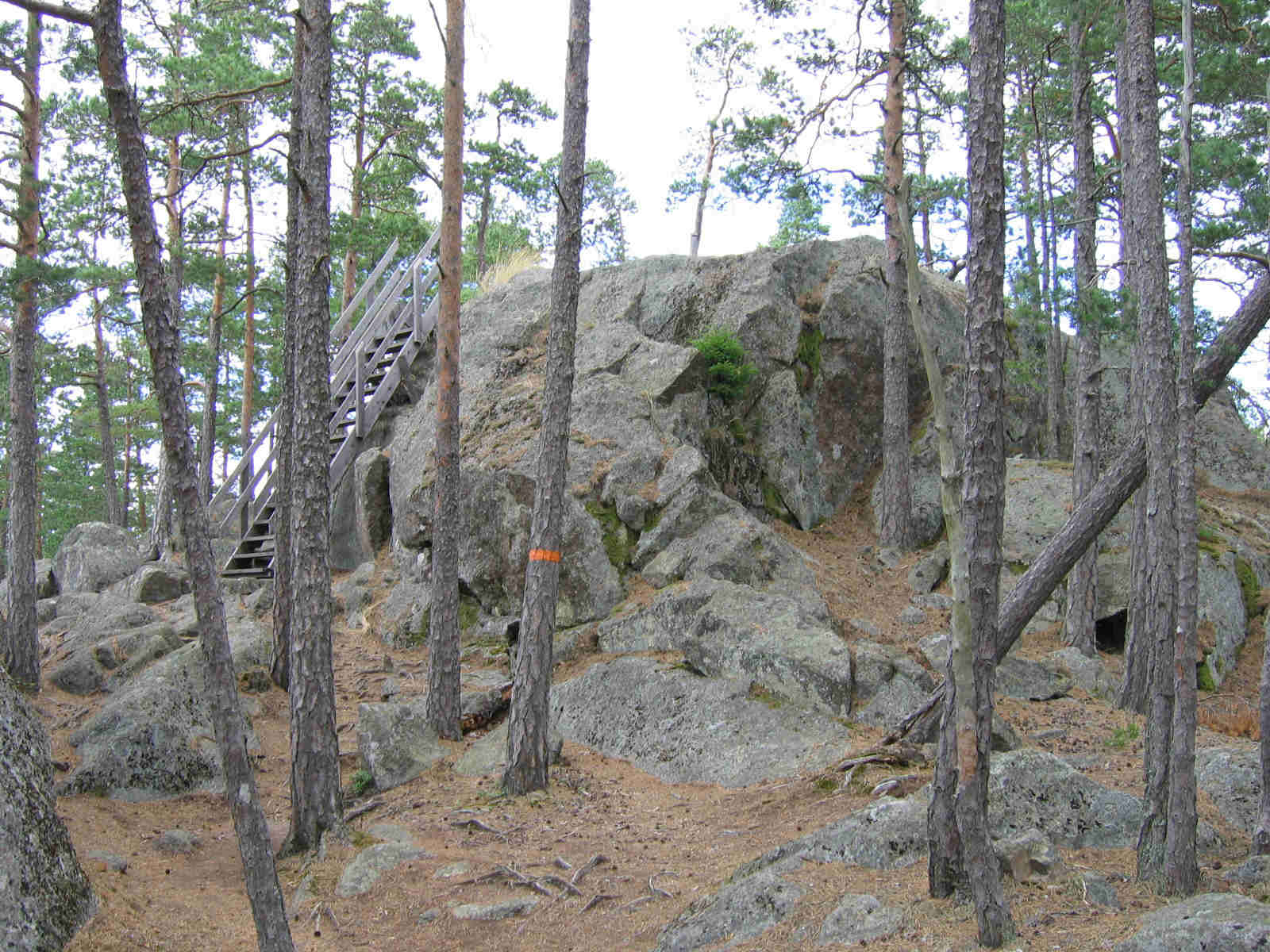
Trollkyrka – Troll’s Church (Tiveden National Park)
Tived, Örebro
Legend Site · ★★★★
Approximately 35.3 km apart
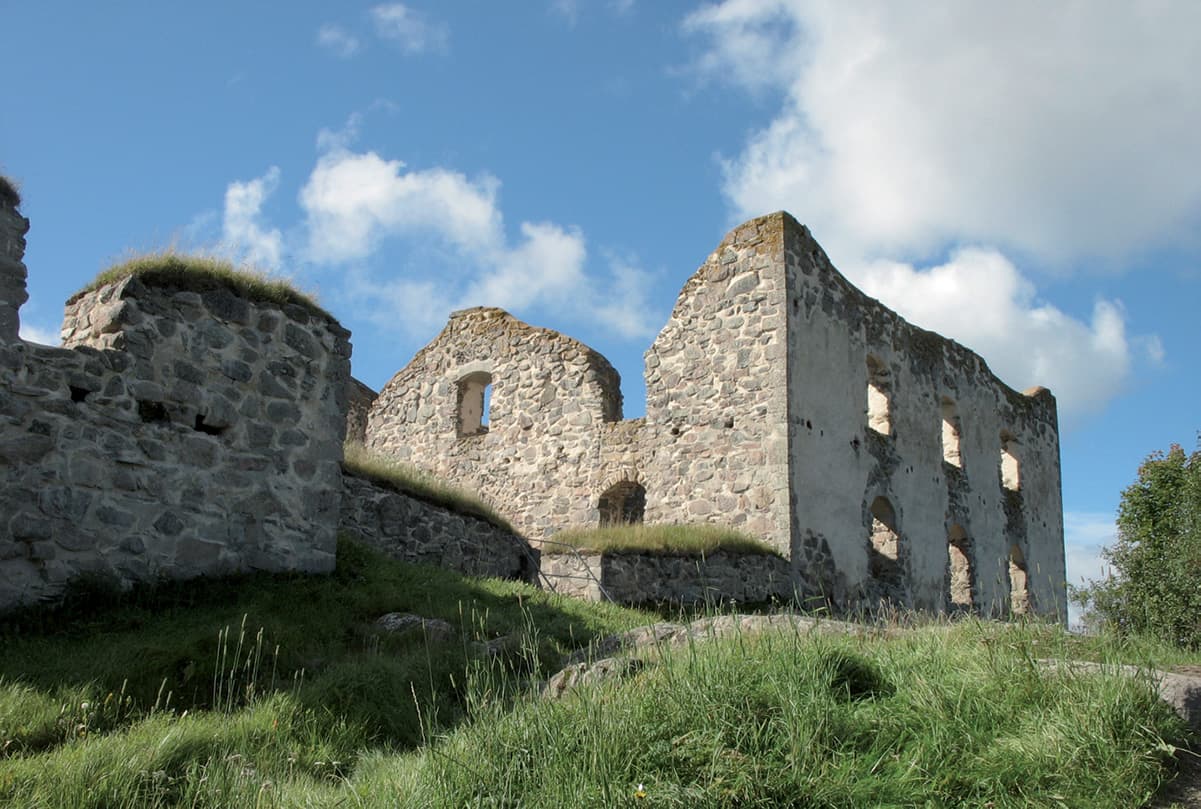
Brahehus Castle Ruin
Gränna, Jönköping
Castle / Castle Ruin · ★★★★
Approximately 53.3 km apart
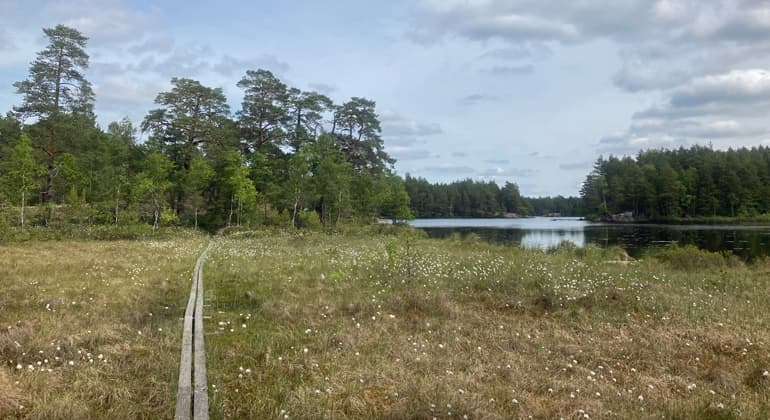
Trollkäringeskogen (Witch Forest Nature Reserve)
Finspång, Östergötland
Forest / Nature Site · ★★★★★
Approximately 60.2 km apart
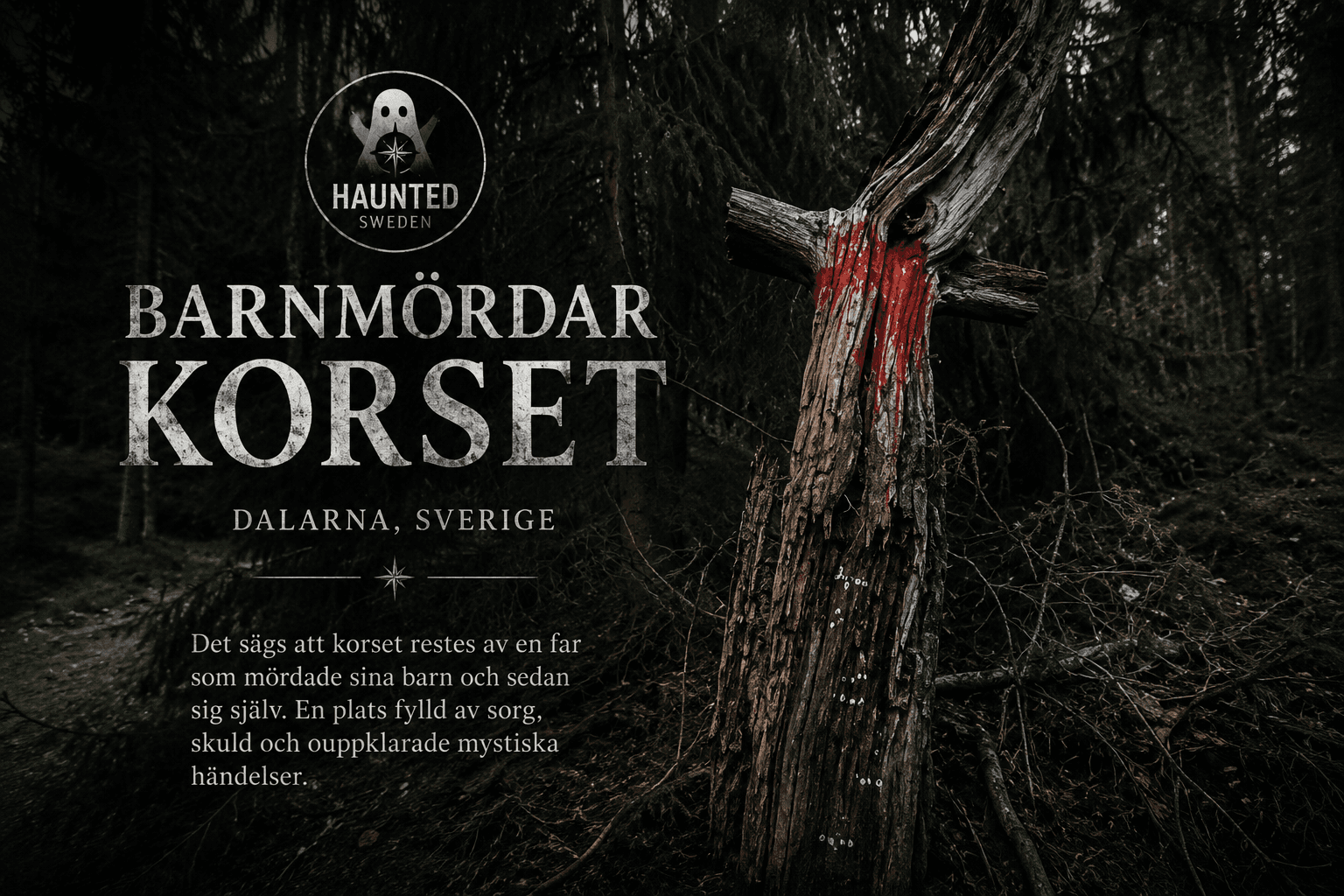
The Child Murder Cross
Hova, Västra Götaland
Legend Site · ★★★★
Approximately 61.2 km apart
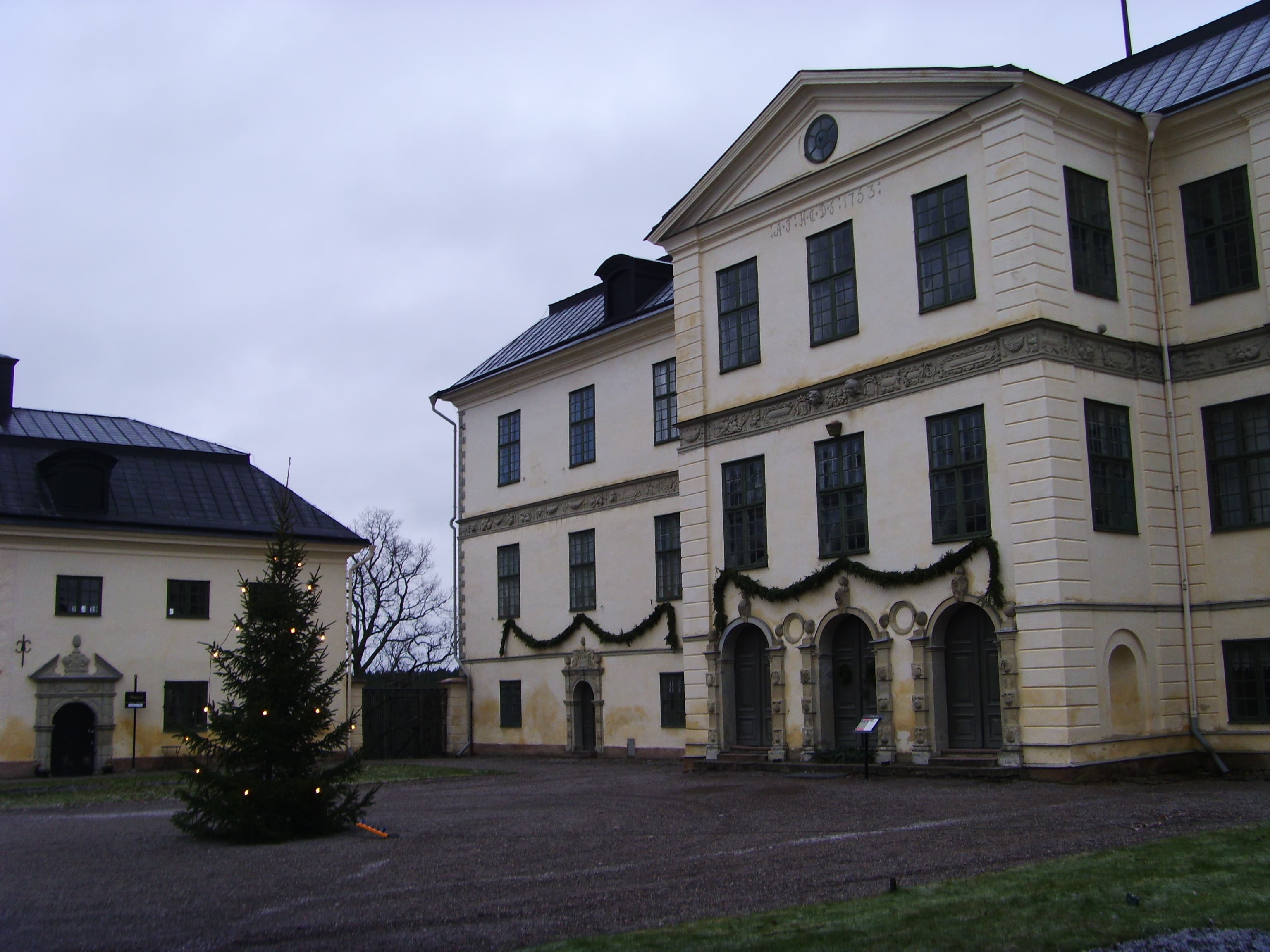
Löfstad Castle (Lövstad)
Norrköping, Östergötland
Castle / Castle Ruin · ★★★★★
Approximately 77.5 km apart